
Featured
𝐅𝐢𝐥𝐦𝐦𝐚𝐤𝐞𝐫 𝐍𝐢𝐜𝐤 𝐃𝐞𝐨𝐜𝐚𝐦𝐩𝐨 𝐑𝐞𝐜𝐞𝐢𝐯𝐞𝐬 𝐅𝐢𝐥𝐦 𝐇𝐞𝐫𝐢𝐭𝐚𝐠𝐞 𝐀𝐰𝐚𝐫𝐝 𝐟𝐫𝐨𝐦 𝐒𝐅𝐅𝐑
𝐅𝐢𝐥𝐦𝐦𝐚𝐤𝐞𝐫 𝐍𝐢𝐜𝐤 𝐃𝐞𝐨𝐜𝐚𝐦𝐩𝐨 𝐑𝐞𝐜𝐞𝐢𝐯𝐞𝐬 𝐅𝐢𝐥𝐦 𝐇𝐞𝐫𝐢𝐭𝐚𝐠𝐞 𝐀𝐰𝐚𝐫𝐝 𝐟𝐫𝐨𝐦 𝐒𝐅𝐅𝐑
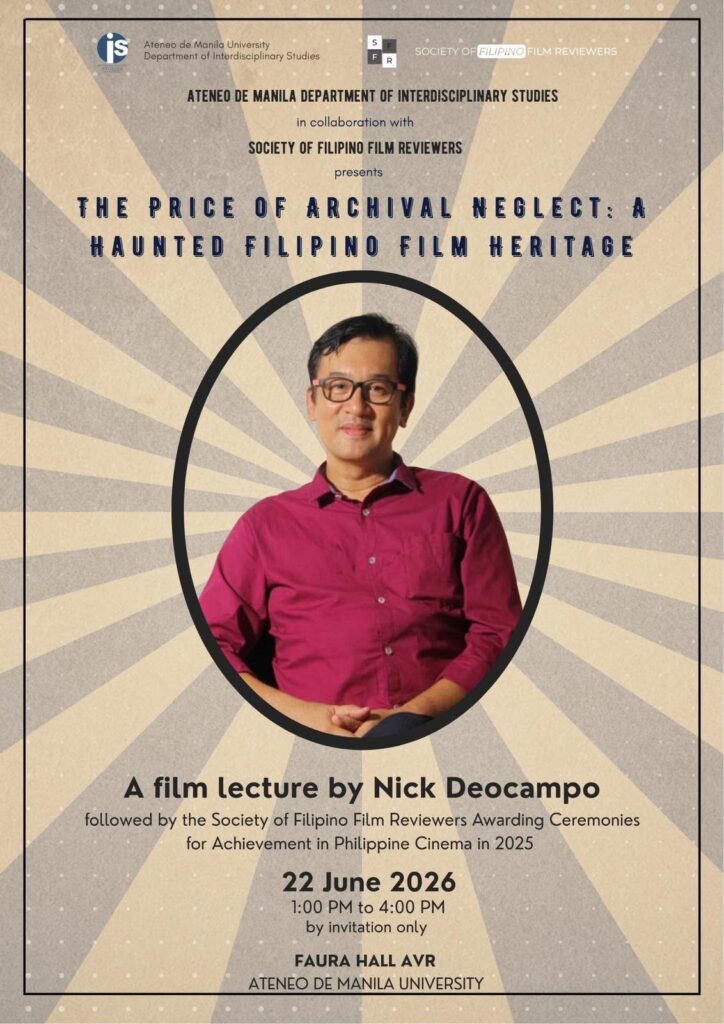
Filmmaker, educator and UP College of Arts and Letters (Speech and Drama) alumnus Nick Deocampo has been honored with the Film Heritage Award by the Society of Filipino Film Reviewers (SFFR). The recognition is scheduled to be presented at the 6th Rebyu Awards, hosted at the Ateneo de Manila University. In conjunction with the ceremony, Deocampo will deliver a keynote address titled, “The Price of Archival Neglect: A Haunted Filipino Film Heritage.”
Deocampo has dedicated years to the retrieval and preservation of Philippine cinematic history. Despite not having formal archival training, his efforts have led to the recovery of significant motion pictures from international institutions.
Among his notable achievements is the recovery of Diwata ng Karagatan, which marks its 90th production anniversary this year. The film was located at the Cinematheque Royale de Belgique in 2025 and currently holds the distinction of being the oldest extant Filipino film. This record was previously held by Zamboanga (1937), starring Fernando Poe Sr. and Rosa del Rosario, which Deocampo secured from the Library of Congress after locating the print in a Finnish archive.
Deocampo’s repatriation efforts have also brought various historical materials back to the country, including:
• Native Life in the Philippines (1913): A documentary by Dean C. Worcester.
• Historical Newsreels: American footage dated 1899–1902.
• Classic Features: Prints of Darna (starring Rosa del Rosario) and Dyesebel (starring Edna Luna), acquired through the Thai Film Archive.
• Film Fragments: Including pieces of the child-star vehicle Roberta, starring Tessie Agana.
While Deocampo expresses appreciation for the industry recognition, he emphasized that the true value of his work remains the physical return of these cinematic works to the Philippines. He noted that despite these successes, the mission to locate and restore additional lost films continues.
𝐌𝐮𝐥𝐚 𝐬𝐚 𝐔𝐏 𝐃𝐞𝐩𝐚𝐫𝐭𝐚𝐦𝐞𝐧𝐭𝐨 𝐧𝐠 𝐅𝐢𝐥𝐢𝐩𝐢𝐧𝐨 𝐚𝐭 𝐏𝐚𝐧𝐢𝐭𝐢𝐤𝐚𝐧 𝐧𝐠 𝐏𝐢𝐥𝐢𝐩𝐢𝐧𝐚𝐬:
𝐌𝐮𝐥𝐚 𝐬𝐚 𝐔𝐏 𝐃𝐞𝐩𝐚𝐫𝐭𝐚𝐦𝐞𝐧𝐭𝐨 𝐧𝐠 𝐅𝐢𝐥𝐢𝐩𝐢𝐧𝐨 𝐚𝐭 𝐏𝐚𝐧𝐢𝐭𝐢𝐤𝐚𝐧 𝐧𝐠 𝐏𝐢𝐥𝐢𝐩𝐢𝐧𝐚𝐬:
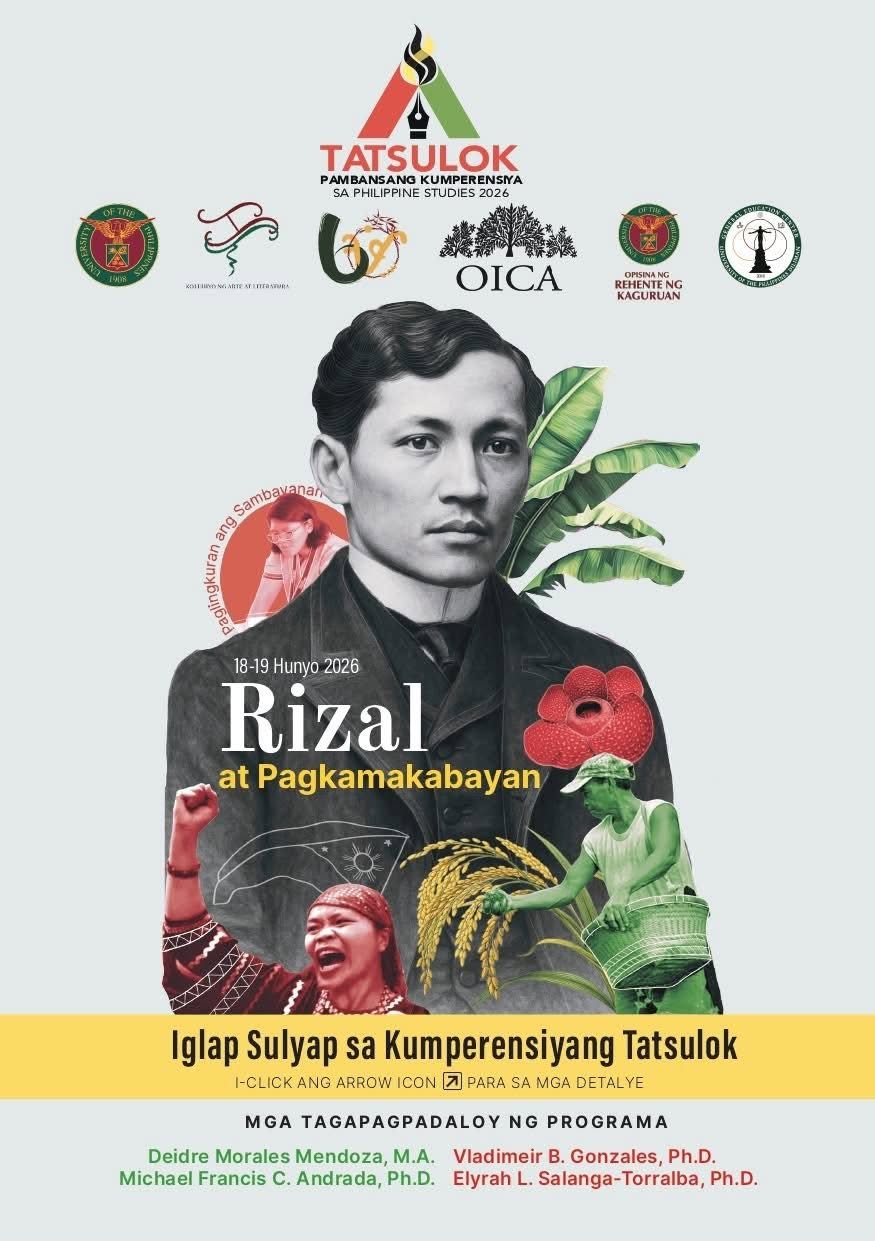
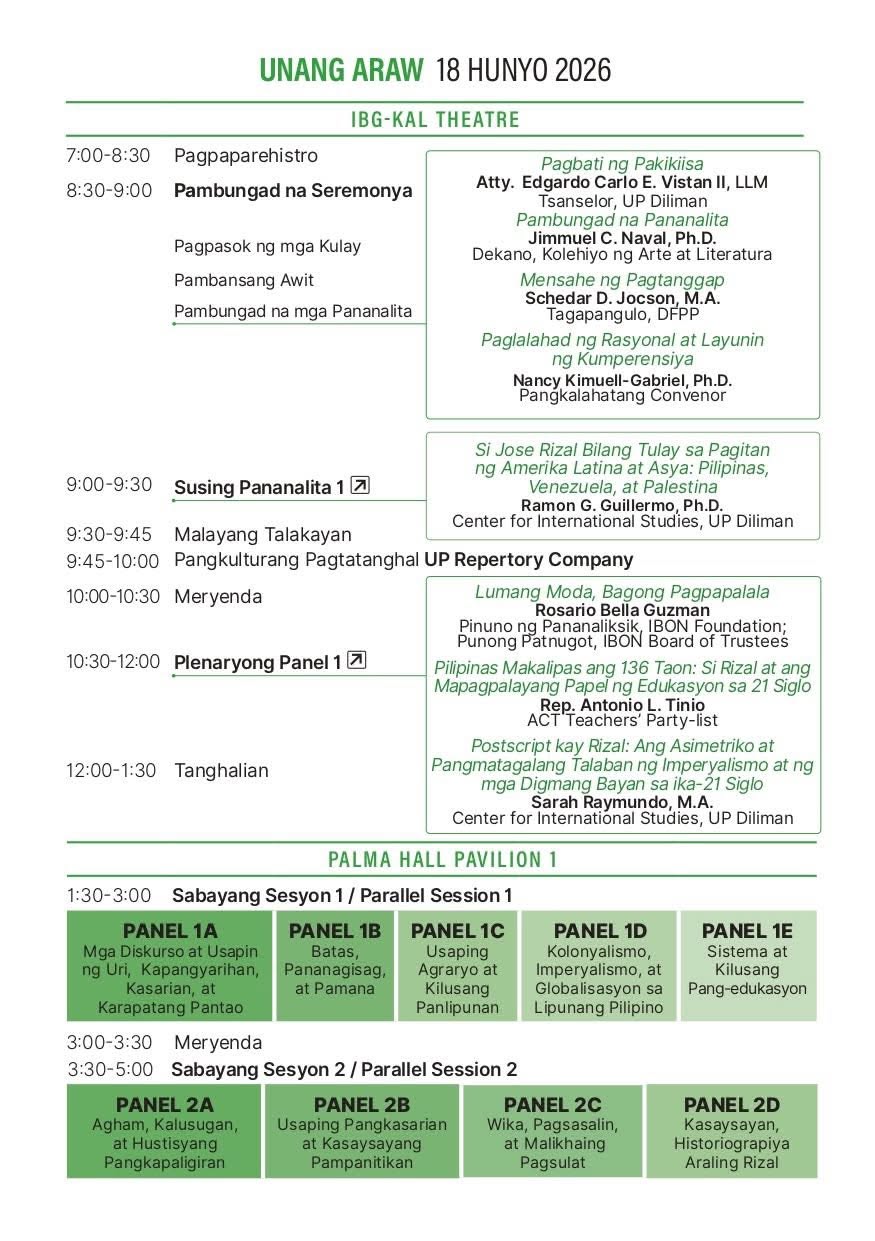
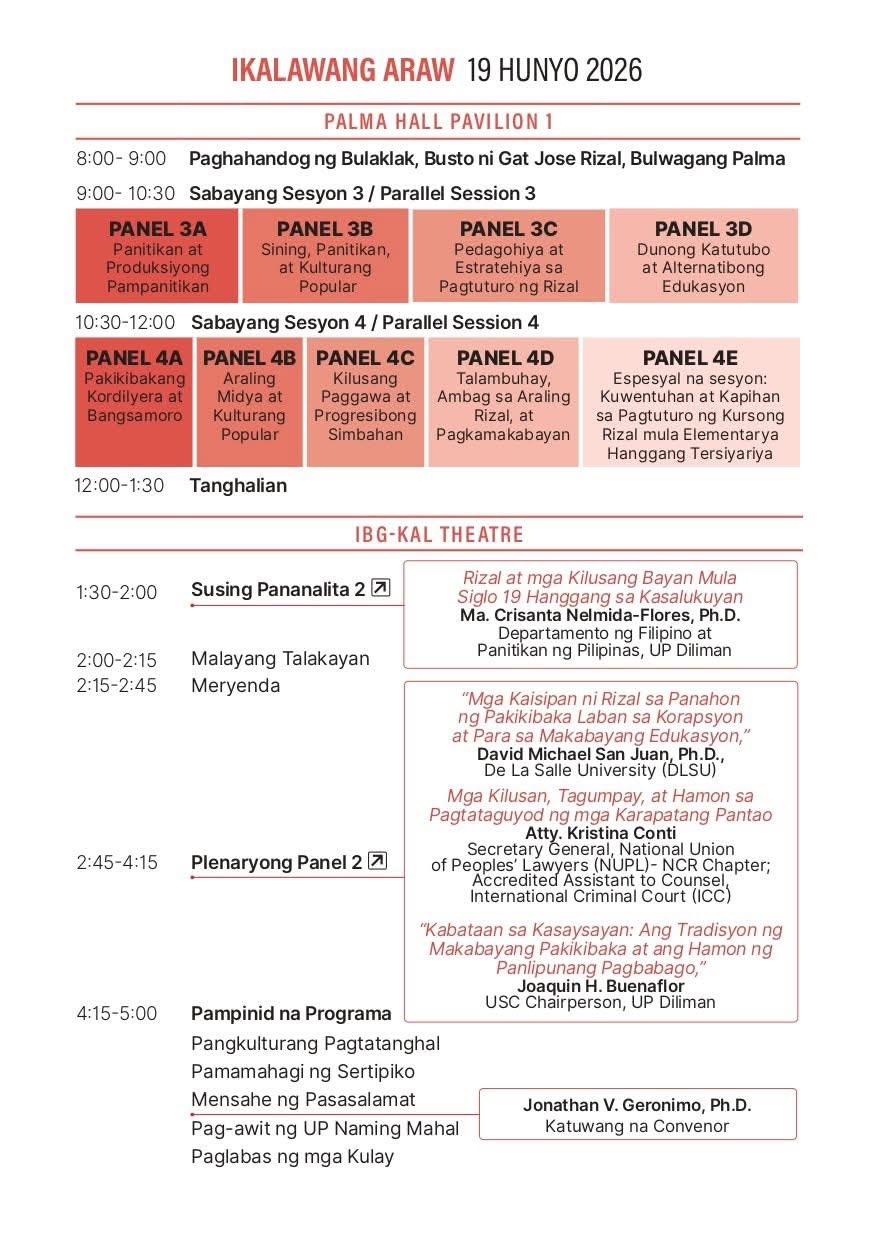
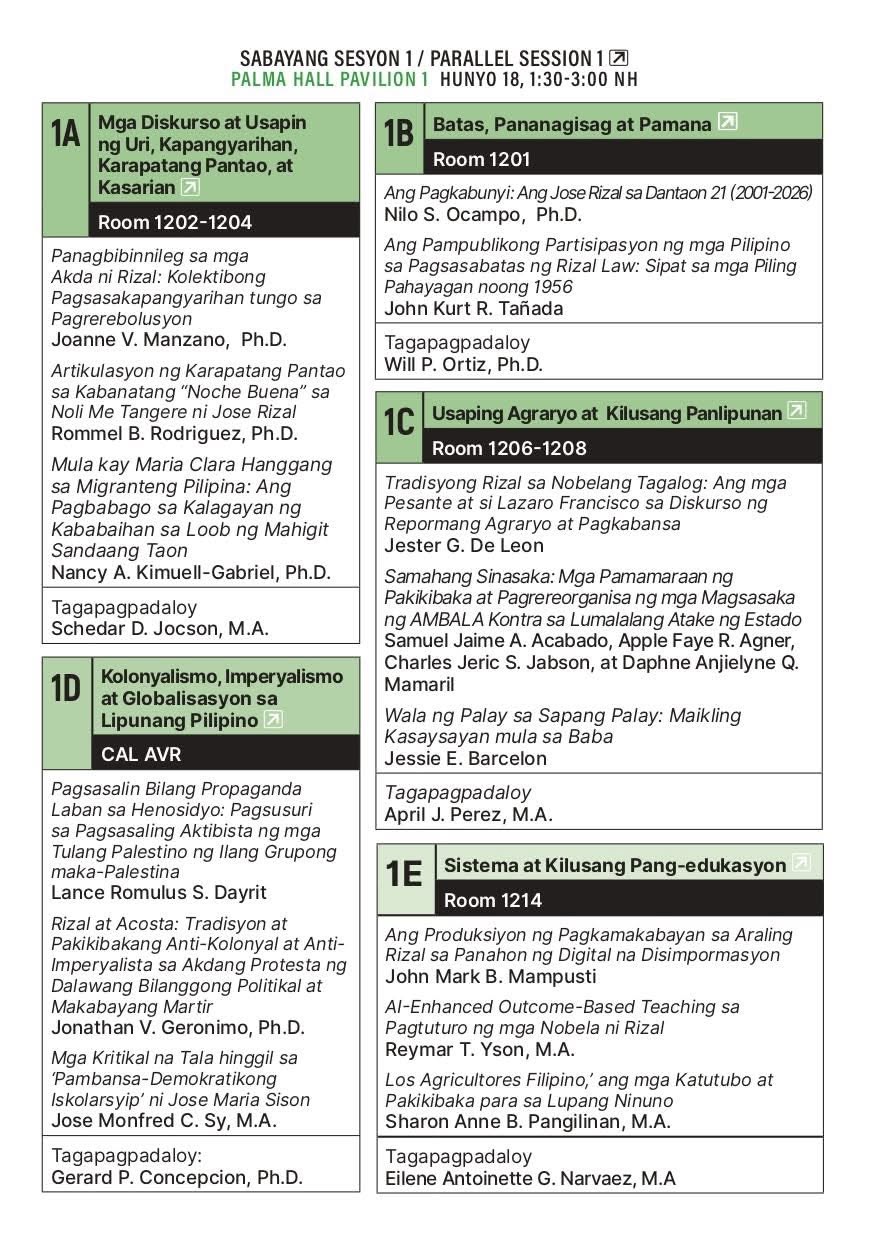
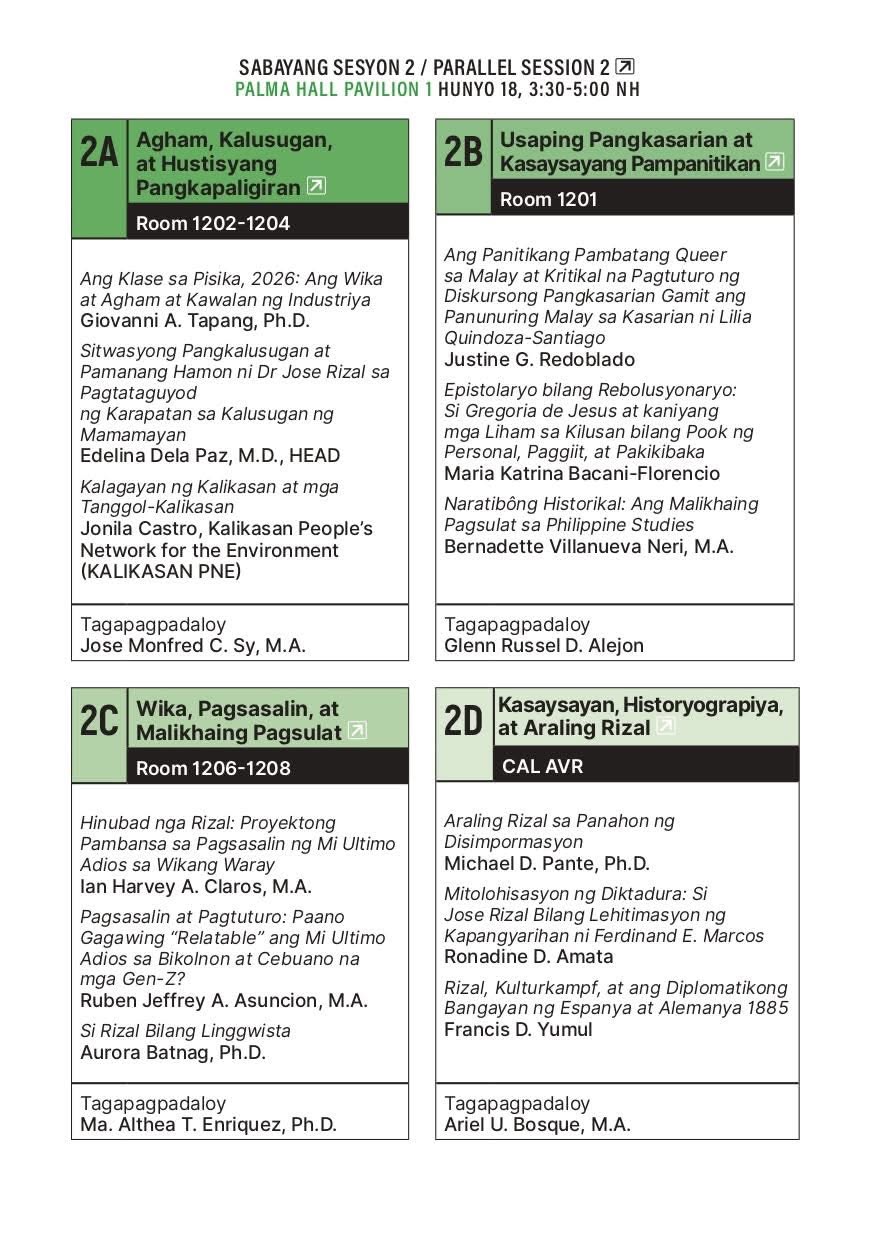
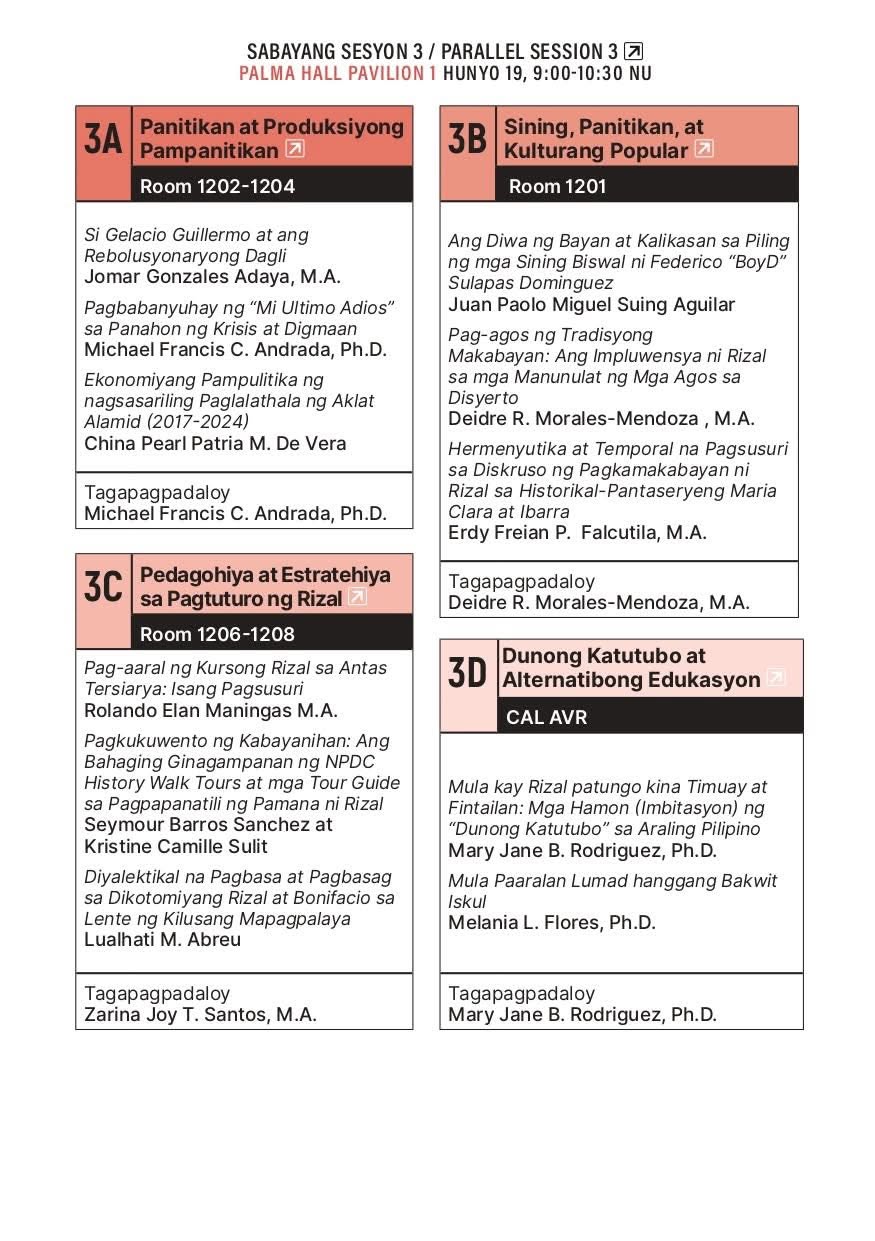
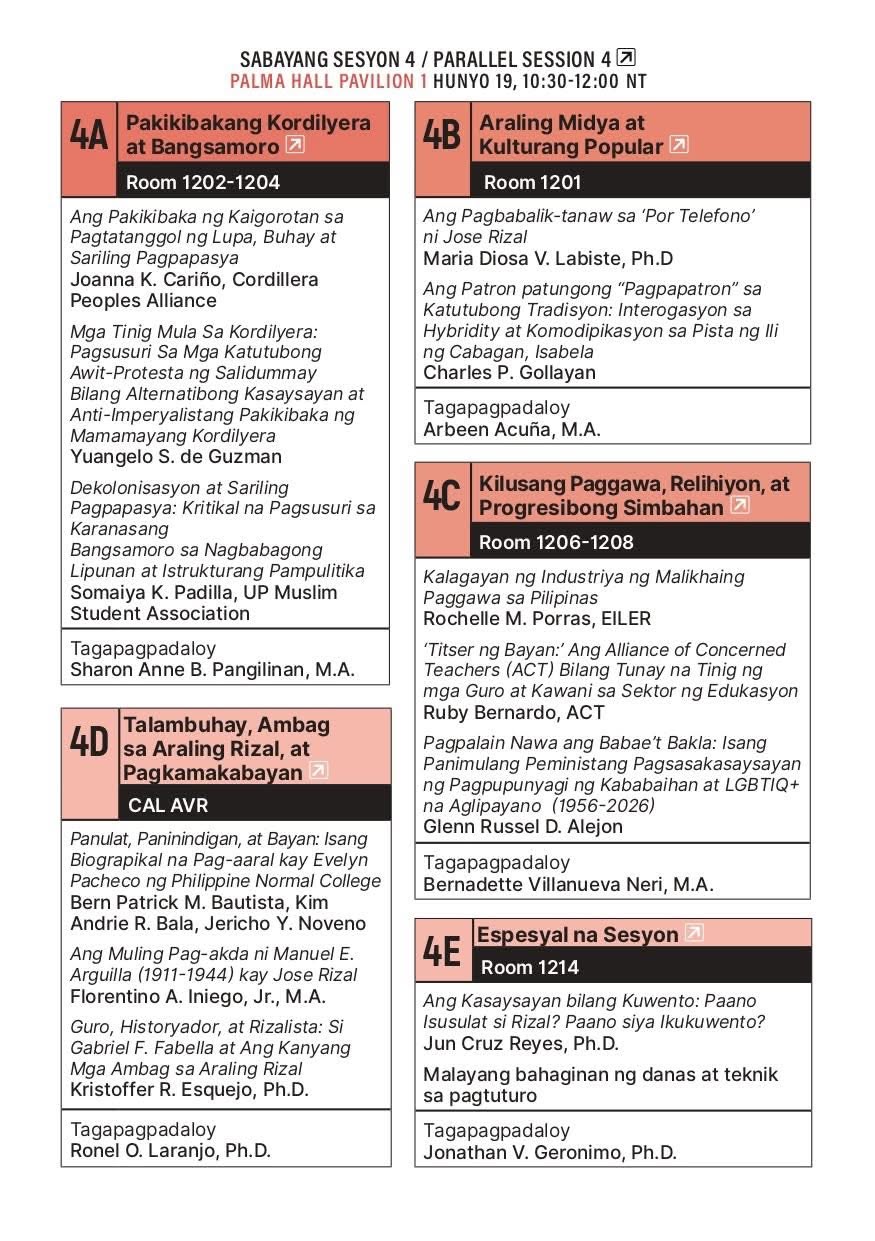
Narito ang programa at lisatahan ng mga sabayang sesyon para sa ating kauna-unahang Tatsulok: Pambansang Kumperensiya sa Philippine Studies 2026 sa Ignacio B. Gimenez (IBG)-KAL Theatre, UP Diliman, ngayong Hunyo 18–19, 2026, 7:00 n.u. ang simula ng rehistrasyon.
Ang tema ng kumperensiya ay “Rizal at Pagkamakabayan” bilang paggunita sa ika-70 anibersaryo ng Batas Rizal. Susuriin natin ang naging pag-unlad at pagbabago sa lipunang Pilipino mula noon kina Rizal hanggang ngayon. Ang ugnayan ng akademya, mga kilusang panlipunan at bayan, ang tatsulok na tinatanaw nating magluluwal ng makabuluhang edukasyong huhubog sa makabayan at kritikal na mamamayan na kailangan ng lipunan.
Bahagi ang Kumperensiyang Tatsulok ng mga gawain ng UP DFPP sa ika-60 anibersaryo gayundin ang pagpapahusay ng pagtuturo sa kursong Rizal, at pagpapalakas ng pangkalahatang edukasyon sa Pilipinas.
https://www.facebook.com/share/p/1AopFTmLNL/?mibextid=wwXIfr

𝐔𝐌𝐏𝐈𝐋 𝐡𝐨𝐧𝐨𝐫𝐬 𝐂𝐀𝐋 𝐅𝐚𝐜𝐮𝐥𝐭𝐲 𝐚𝐧𝐝 𝐀𝐥𝐮𝐦𝐧𝐢
𝐔𝐌𝐏𝐈𝐋 𝐡𝐨𝐧𝐨𝐫𝐬 𝐂𝐀𝐋 𝐅𝐚𝐜𝐮𝐥𝐭𝐲 𝐚𝐧𝐝 𝐀𝐥𝐮𝐦𝐧𝐢
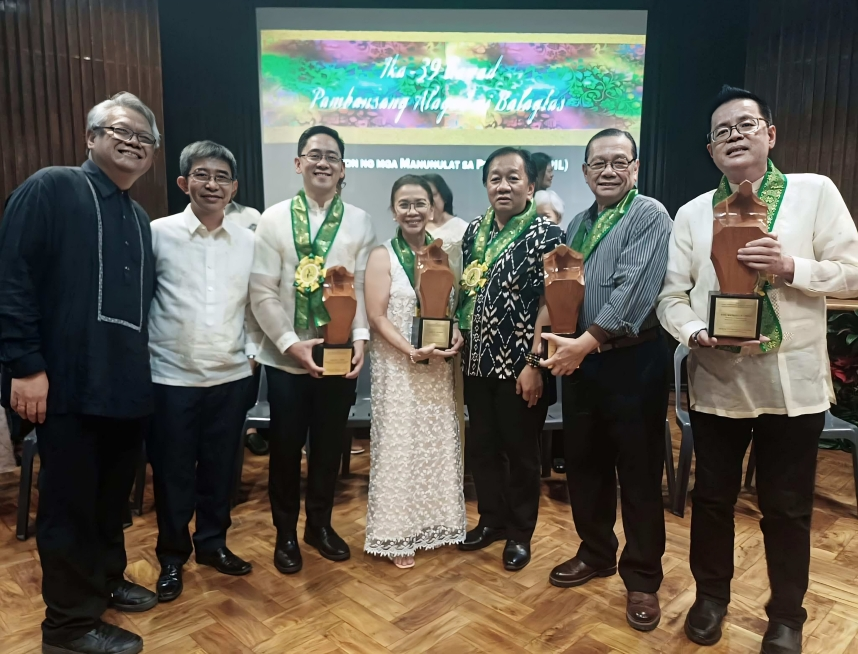
UP College of Arts and Letters faculty and alumni were honored at the 52nd National Writers’ Congress on Saturday, April 25, 2026. The event, organized by the Unyon ng mga Manunulat sa Pilipinas (UMPIL), concluded at the University of the Philippines Baguio College of Social Sciences with an awards ceremony that serves as the annual benchmark for Philippine creative achievement.
The congress, held during National Literature Month, centered on the theme “Harayang Pampanitikan sa Katwiran at Paninindigan ng Bayan.” National Artist for Film and UP Department of Speech Communication and Theatre Arts alumnus Kidlat Tahimik delivered the keynote address, focusing on the lifelong practice of promoting and empowering the national imagination.
The Gawad Pambansang Alagad ni Balagtas, UMPIL’s lifetime achievement award, was conferred upon UP Departamento ng Filipino at Panitikan ng Pilipinas Professors Glecy C. Atienza (Play in Filipino), Galileo S. Zafra (Literary History and Criticism in Filipino), and UPD Department of English and Comparative Literature Professor Jose Wendell P. Capili (Essay and Poetry in English). Their recognition represents a rare institutional sweep across multiple disciplines and genres.
The college’s institutional impact was further underscored through the Gawad Pedro Bucaneg, awarded to DFPP’s Palihang Rogelio Sicat (PRS), co-founded by a small group of faculty members that included CAL Dean Jimmuel Naval, and Retired Professor of Filipino Reuel Molina Aguila. This honor acknowledges the group’s sustained role in developing the regional and national literary infrastructure.
The awards also highlighted the enduring influence of the Likhaan: University of the Philippines Institute of Creative Writing’s UP National Writers Workshop. Two additional Balagtas recipients trace their professional roots to the university’s mentorship programs: Raymundo T. Pandan Jr. (Fiction in English), Retired Professor and former Law Dean at the University of St. La Salle Bacolod and a 1984 workshop fellow, and veteran journalist Franklin Y. Cimatu (Poetry in Filipino and English), a 1988 workshop fellow. Other 2026 Balagtas winners included Richel G. Dorotan for Binisaya fiction and Daniel L. Nesperos for Ilocano poetry.
Between the ceremonies, the congress functioned as a forum for the ethics of contemporary writing. The “UMPILAN” sessions featured debates on the intersection of aesthetics and social commitment, with contributions from writers including Ariel Tabag, Luchie Maranan, and Padmapani Perez. The 2026 trophies were designed and donated by the renowned visual artist Manuel D. Baldemor. The event was held with the support of the National Commission for Culture and the Arts (NCCA), the Philippine Soong Ching Ling Foundation, the Federation of Filipino-Chinese Chambers of Commerce and Industry, Inc. (FFCCCII), and Ambassador Francis Chua.
𝐀𝐧𝐠 𝐆𝐄 𝐁𝐢𝐥𝐚𝐧𝐠 𝐌𝐨𝐨𝐠 𝐧𝐠 𝐏𝐚𝐠𝐤𝐚𝐭𝐚𝐨𝐧𝐠 𝐅𝐢𝐥𝐢𝐩𝐢𝐧𝐨
𝐀𝐧𝐠 𝐆𝐄 𝐁𝐢𝐥𝐚𝐧𝐠 𝐌𝐨𝐨𝐠 𝐧𝐠 𝐏𝐚𝐠𝐤𝐚𝐭𝐚𝐨𝐧𝐠 𝐅𝐢𝐥𝐢𝐩𝐢𝐧𝐨
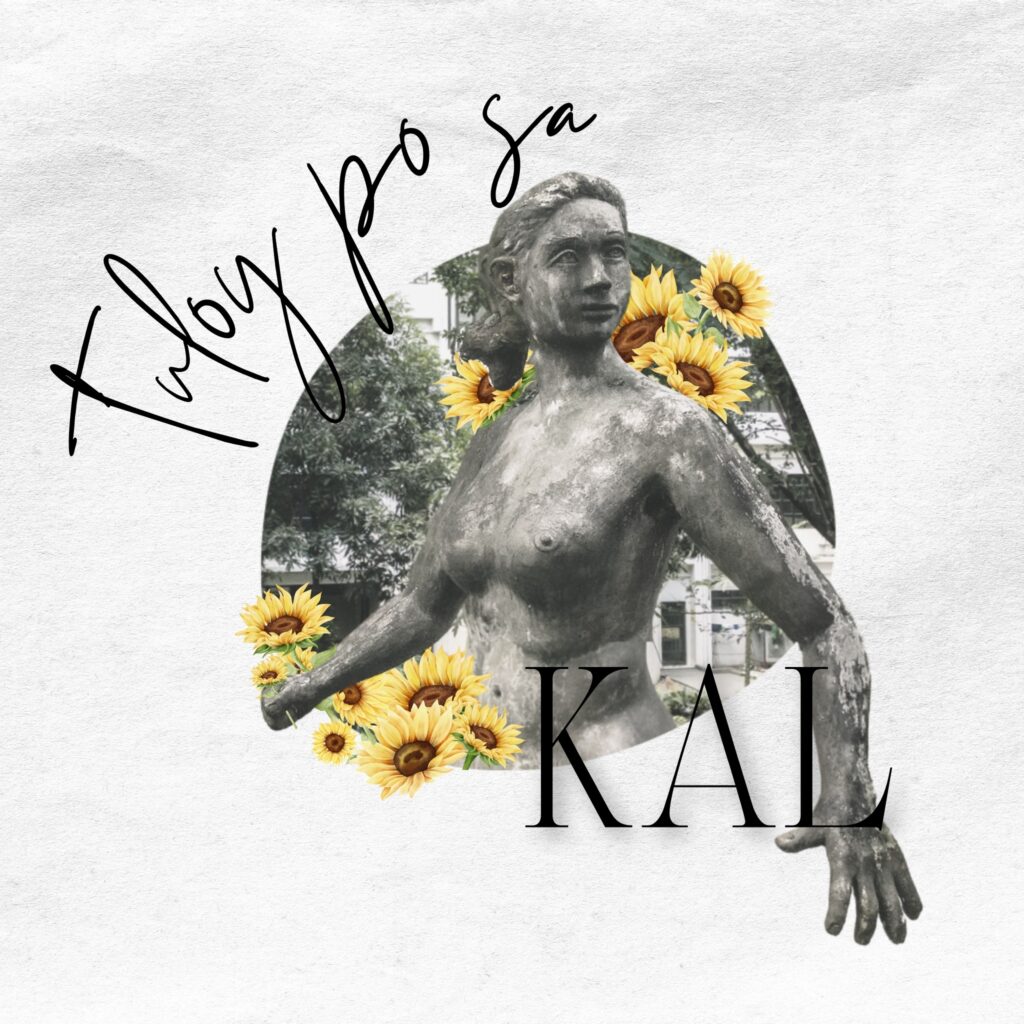
Mula sa UP College of Arts and Letters
Ang Memorandum ng CHED ukol sa pagbabago ng General Education (GE) ay nagsisilbing pabula ng pagsuko, isang dokumentong nagpapalabo sa ningning ng malayang kaisipan sa ating mga kolehiyo at unibersidad.
Sa ilalim ng katwirang iwasan ang “pag-uulit” ng mga kurso mula sa Senior High School, nilalayon nitong tapyasin ang GE tungo sa kakarampot na 18 yunit—isang hakbang na tumitingin sa pagpapakadalubhasa sa mga moog ng karunungan hindi bilang lunan ng mapanuring pag-iisip, kundi bilang isang baradong daluyan sa pusod ng burukrasya na pilit tinatampalan ng mga nagmamadaling lunas.
Sa pagpilit na gawing Kasanayang Teknikal ang pag-aaral sa mga kolehiyo at universidad, isinasantabi ang pundasyon ng ating pagkabansa. Ang tunay na panganib dito ay ang pagluwal ng isang henerasyong bihasa sa digital na kasanayan ngunit lumpo sa etikal na pagpapasya; mga gradwadong sertipikado ng bawat spreadsheet ng industriya, ngunit walang sapat na sandata upang makipagbuno sa masalimuot na realidad ng lipunan.
Hindi aksidente ang pagkakaroon ng GE sa Pilipinas. Noong 1958, sa ilalim ng pamumuno ni Pangulong Vicente G. Sinco, itinatag ang structured framework ng mga core course sa UP upang mas lalo pang mapalawak ang daloy ng unibersidad bilang isang tunay na “state university”. Ang bisyon ni Sinco ay hindi lamang magluwal ng mga eksperto sa kani-kanilang larangan, kundi mga mamamayang may malawak na intelektwal at kultural na abot-tanaw. Itinatag ang University College noong 1960 upang hawakan ang 63 yunit ng GE—kabilang ang Ingles, Matematika, Humanidades, at Agham—at noong 1989, naging Art Studies ang kagawaran ng humanidades upang bigyang-diin ang sining na mula at para sa bayan, isang paglayo sa kánon ng Kanluran tungo sa pagkilala sa sariling identidad.
Bahagi ng pagpapatatag ng kaisipang Pilipino ang pagkilala sa magkakaibang tungkulin ng mga kursong GE, kaya naman ang balak na pagsasanib ng PI 100 (Rizal Course) at Philippine History/Philippine Studies ay isang seryosong pagkakamali sa pedagohiya. Ang mga ito ay nagsisilbi sa magkaiba at natatanging layunin: habang ang PI 100 ay nakasentro sa buhay at kaisipan ni Jose Rizal upang magtanim ng pagkamakabayan, ang Philippine History naman ay isang malawak at multidisiplinaryong pagsusuri sa pambansang pag-unlad. Higit pa rito, ang Batas Rizal (RA 1425) ay may tiyak na mandato na muling ialay ang kabataan sa mga mithiin ng bayani, isang hangaring lehislatibo na malalabnaw lamang kung isasama sa pangkalahatang kasaysayan.
Ang paghihiwalay sa mga ito ay hindi lamang usapin ng paksa kundi ng metodolohiya, kung saan ang PI 100 ay nakatuon sa tekstwal na pagsusuri ng mga pangunahing akda gaya ng Noli at Fili, samantalang ang Philippine Studies ay humihingi ng mas malawak na temang sosyolohikal at kultural. Ang pagpapanatili sa kanila bilang magkabukod na daluyan ng dunong ay panangga sa mababaw na pag-unawa. Ito ang nagpapahintulot sa isang matalas na pagdalumat sa diwa ng bayani sa gitna ng masalimuot na agos ng ating kasaysayan.
Ang reframed GE ng CHED ay nagpapakita ng isang mapangahas na pagmamadali; sa pagbibigay-diin sa “Professional Communication” at “Emerging Technologies” kapalit ng malalim na pagsisid sa humanidades, sining, at kasaysayan, tinatalikuran natin ang pagbuo sa interiority ng mag-aaral. Ang pagtalikod sa mga pundasyong ito ay isang pag-aalis sa mismong budhi ng ating edukasyon, na nag-iiwan sa ating diwa na mabuway at walang lundayang moral.
Ang argumento na ang sining ay itinuturo na sa Senior High School ay isang mababaw na pagbasa sa pedagohiya dahil sa antas ng mga kolehiyo at unibersidad, ang pag-aaral nito ay nangangailangan ng higit na kasibulan upang busisiin ang politikal at panlipunang komentaryo ng mga likhang-sining. Hindi rin sapat ang pagiging “globally competitive” kung ang kapalit nito ay ang pagkawala ng etikal na kompas at serbisyo publiko.
Ang bayang pinamamahalaan ng mga teknokratang salat sa ugat ng ating kasaysayan ay isang bayang mabilis maging anino. Ang GE ay hindi isang kalabisan; ito ang ating huling moog laban sa malamig na makinarya ng pagkalimot at sa unti-unting pagkasaid ng ating pakikipagkapwa.
Mananatiling matatag ang Kolehiyo ng Arte at Literatura: ang edukasyon ay hindi pagpuno sa isang timba, kundi ang pagpapaningas ng apoy na magsisilbing liwanag sa madilim na yugto ng ating kasaysayan.
𝐈𝐧𝐬𝐮𝐫𝐚𝐧𝐜𝐞 𝐨𝐟 𝐀𝐬𝐡𝐞𝐬
𝐈𝐧𝐬𝐮𝐫𝐚𝐧𝐜𝐞 𝐨𝐟 𝐀𝐬𝐡𝐞𝐬
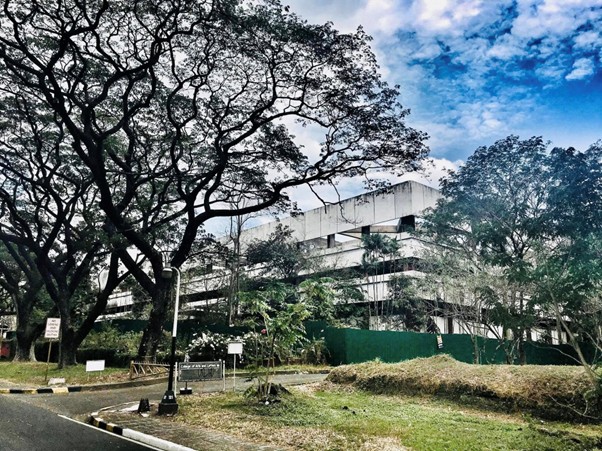
Nobody in the current university administration actually knows where the money for the “Faculty Commons” came from. They walk past the stalled, skeletal construction near the UP College of Arts and Letters thinking it is just another victim of a slow-moving national budget. It is not. The dirt under those unfinished walls was paid for by the ashes of the Faculty Center.
When the Faculty Center (Bulwagang Rizal) burned on April 1, 2016, the university eventually clawed back an initial insurance payout from the Government Service Insurance System (GSIS). The structural damage was officially pinned at a meager ₱3 million, a figure that borders on the offensive when weighed against the incalculable loss of manuscripts and irreplaceable archival teaching, creative and research materials that the policy simply ignored. In a moment of survivalist panic, that initial money was shoveled into the footings of a replacement project that has sat dormant for a decade. It was a trade: the death of an institution’s physical memory for a construction project that the university did not have the stamina to properly finish, even with a rebuilding estimate that ballooned to ₱300 million.
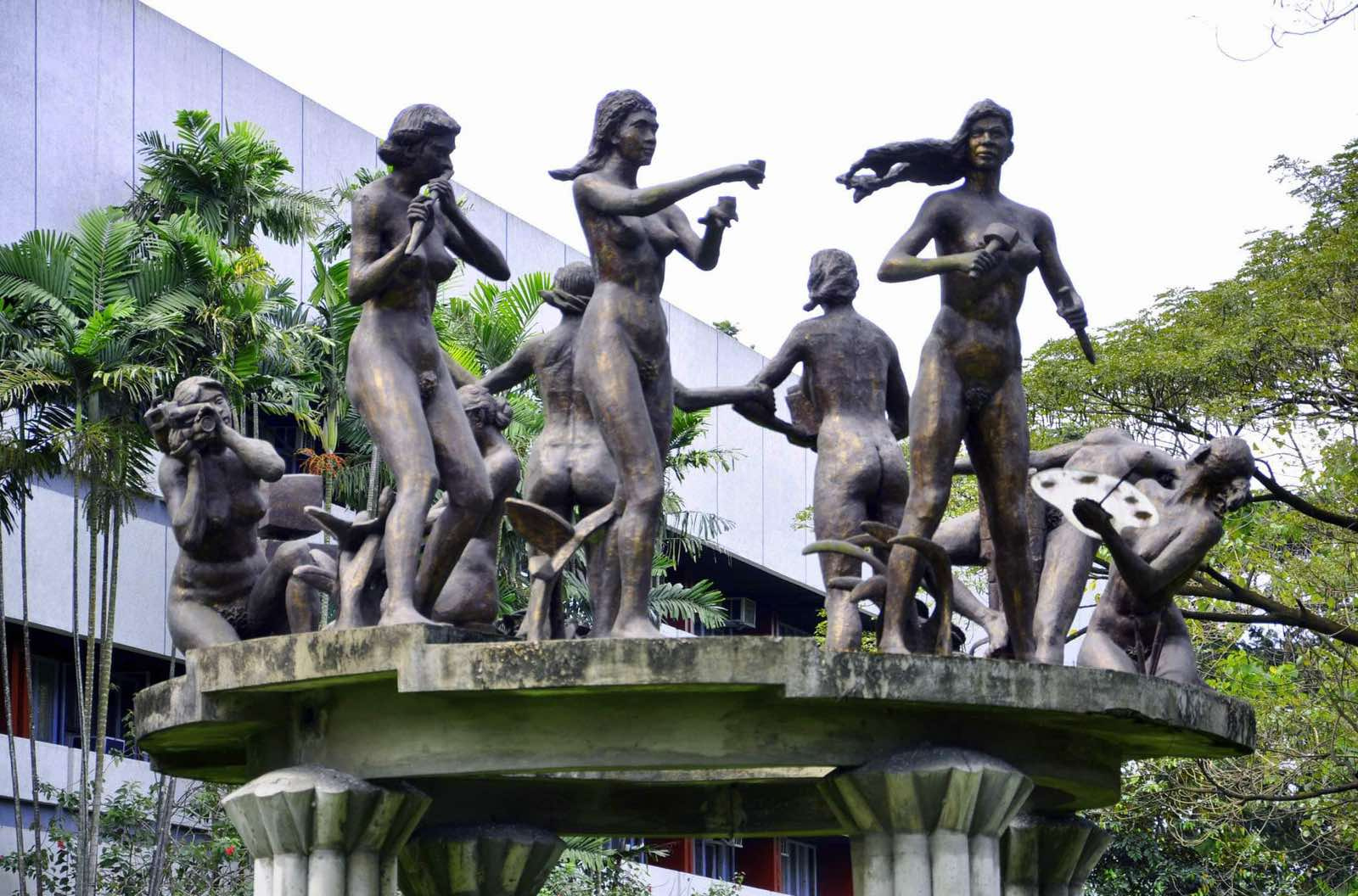
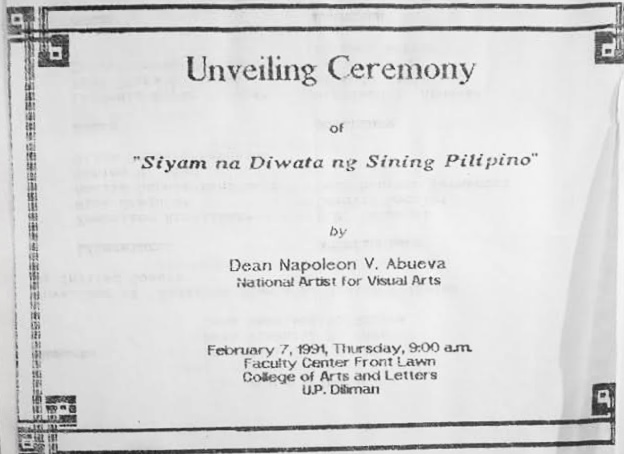
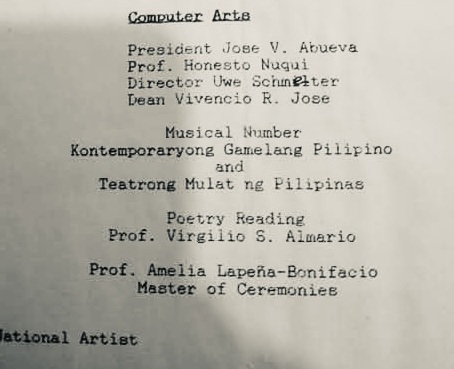
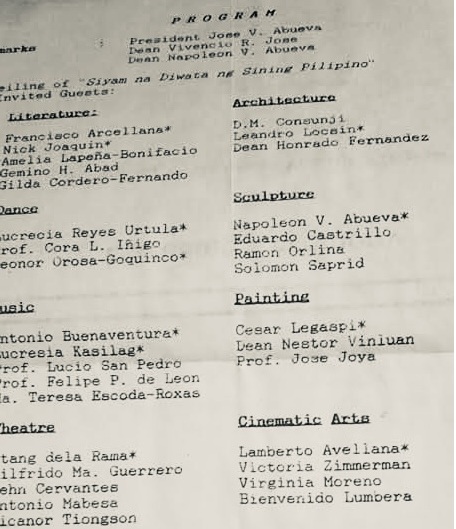
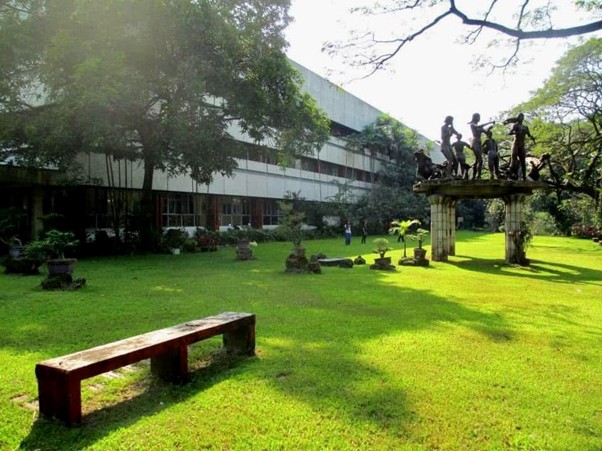
The Siyam na Diwata ng Sining—National Artist for Sculpture Napoleon V. Abueva’s nine muses of reinforced concrete—are the only ones left with the mechanical continuity to remember the heist. They sit on the “Faculty Center Front Lawn,” renamed later as Hardin ng mga Diwata, exactly where they were unveiled on Thursday, February 7, 1991, at 9:00 AM, as shown in the photos. Their job was to guard the intellectual lungs of the college—the Office of the Dean, the CAL College Secretary, the offices, libraries, and seminar rooms of the Departments of Art Studies, English and Comparative Literature, European Languages, Filipino at Panitikan ng Pilipinas, and Speech Communication and Theatre Arts, the CAL Graduate Studies Office, Kontra-GaPi, Dulaang Unibersidad ng Pilipinas, UP Dulaang, Tanghalang Hermogenes Ylagan (black box theater), and the student tambayans surrounding the building. Now they face a void.
The invitation also lists a canon of National Artists who actually inhabited that space—Abad, Abueva, Almario, Arcellana, Avellana, Buenaventura, de la Rama, Guerrero, de Leon, Joaquin, Lapeña-Bonifacio, Joya, Kasilag, Legaspi, Locsin, Lumbera, Mabesa, Orosa-Goquinco, Reyes-Urtula and San Pedro. These were the pillars who shaped the college now left wandering through the “KALbaryo” of ten years of displacement.
University leadership operates under the delusion that the Faculty Commons is a fresh start funded by the General Appropriations Act. It is not. It is a monument to an administrative secret. The displacement of the faculty, staff and students has calcified into the status quo, and the cultural infrastructure is being managed by people who cannot read the ledger entries of 2016. The Diwatas are still rooted in the lawn, staring at a half-baked concrete mess bought with the insurance money of their original home. They remain the only entities on that stretch of the university who know exactly whose legacy is rotting in those unfinished walls.
𝐒𝐚𝐦𝐩𝐮𝐧𝐠 𝐓𝐚𝐨𝐧 𝐧𝐠 𝐏𝐚𝐠-𝐚𝐥𝐚𝐛: '𝐊𝐀𝐋𝐛𝐚𝐫𝐲𝐨 𝟐𝟎𝟐𝟔' 𝐈𝐧𝐢𝐥𝐮𝐧𝐬𝐚𝐝 𝐬𝐚 𝐆𝐢𝐭𝐧𝐚 𝐧𝐠 𝐊𝐚𝐰𝐚𝐥𝐚𝐧 𝐧𝐠 𝐒𝐚𝐫𝐢𝐥𝐢𝐧𝐠 𝐆𝐮𝐬𝐚𝐥𝐢
𝐒𝐚𝐦𝐩𝐮𝐧𝐠 𝐓𝐚𝐨𝐧 𝐧𝐠 𝐏𝐚𝐠-𝐚𝐥𝐚𝐛: '𝐊𝐀𝐋𝐛𝐚𝐫𝐲𝐨 𝟐𝟎𝟐𝟔'
𝐈𝐧𝐢𝐥𝐮𝐧𝐬𝐚𝐝 𝐬𝐚 𝐆𝐢𝐭𝐧𝐚 𝐧𝐠 𝐊𝐚𝐰𝐚𝐥𝐚𝐧 𝐧𝐠 𝐒𝐚𝐫𝐢𝐥𝐢𝐧𝐠 𝐆𝐮𝐬𝐚𝐥𝐢
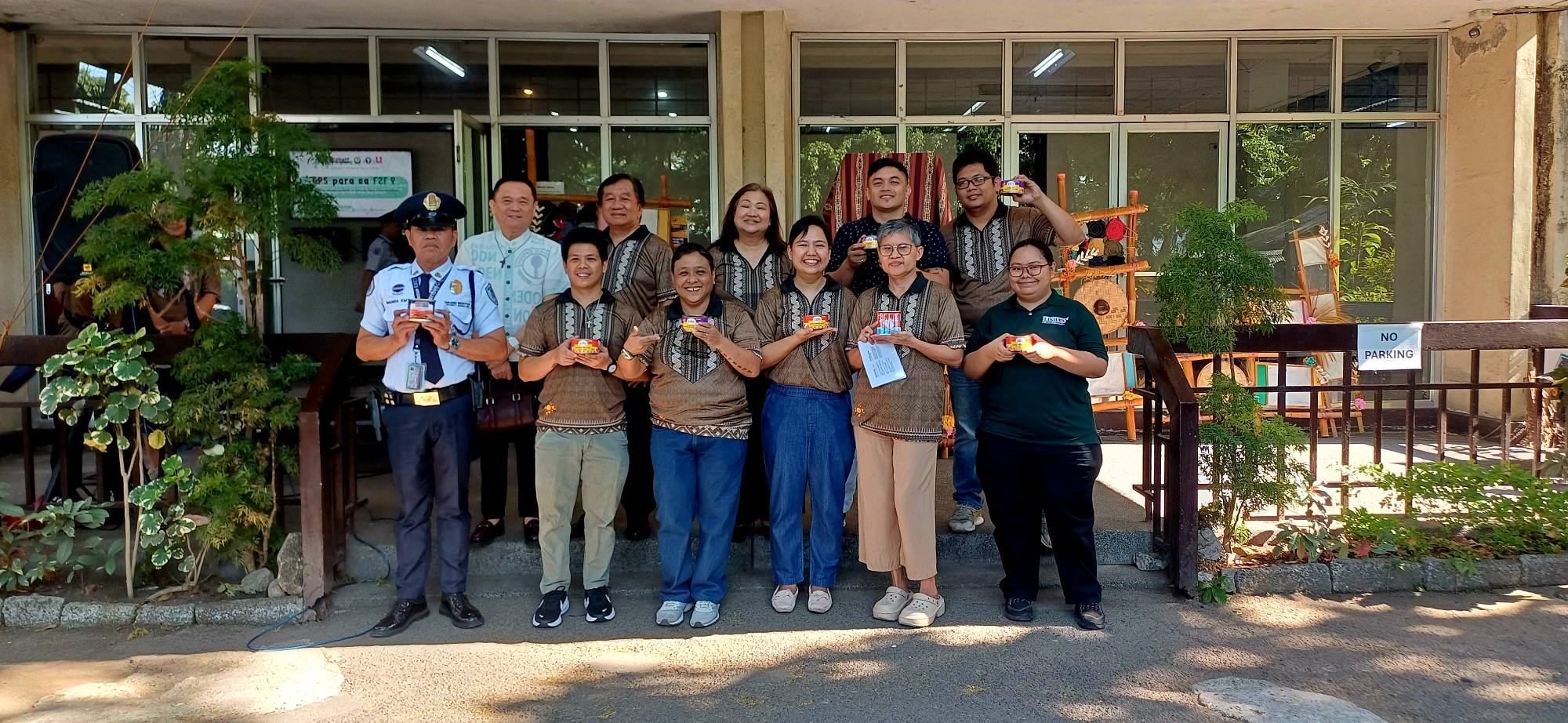
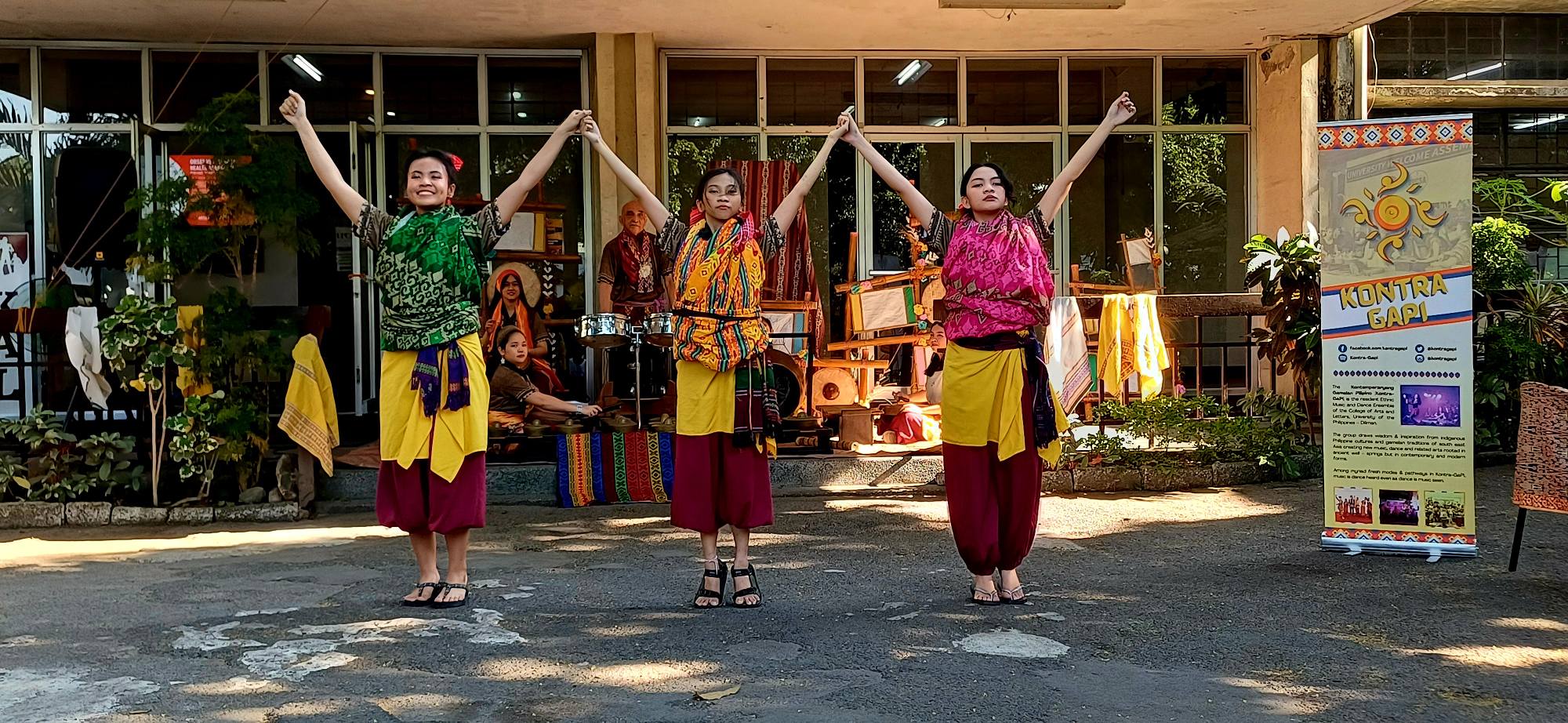
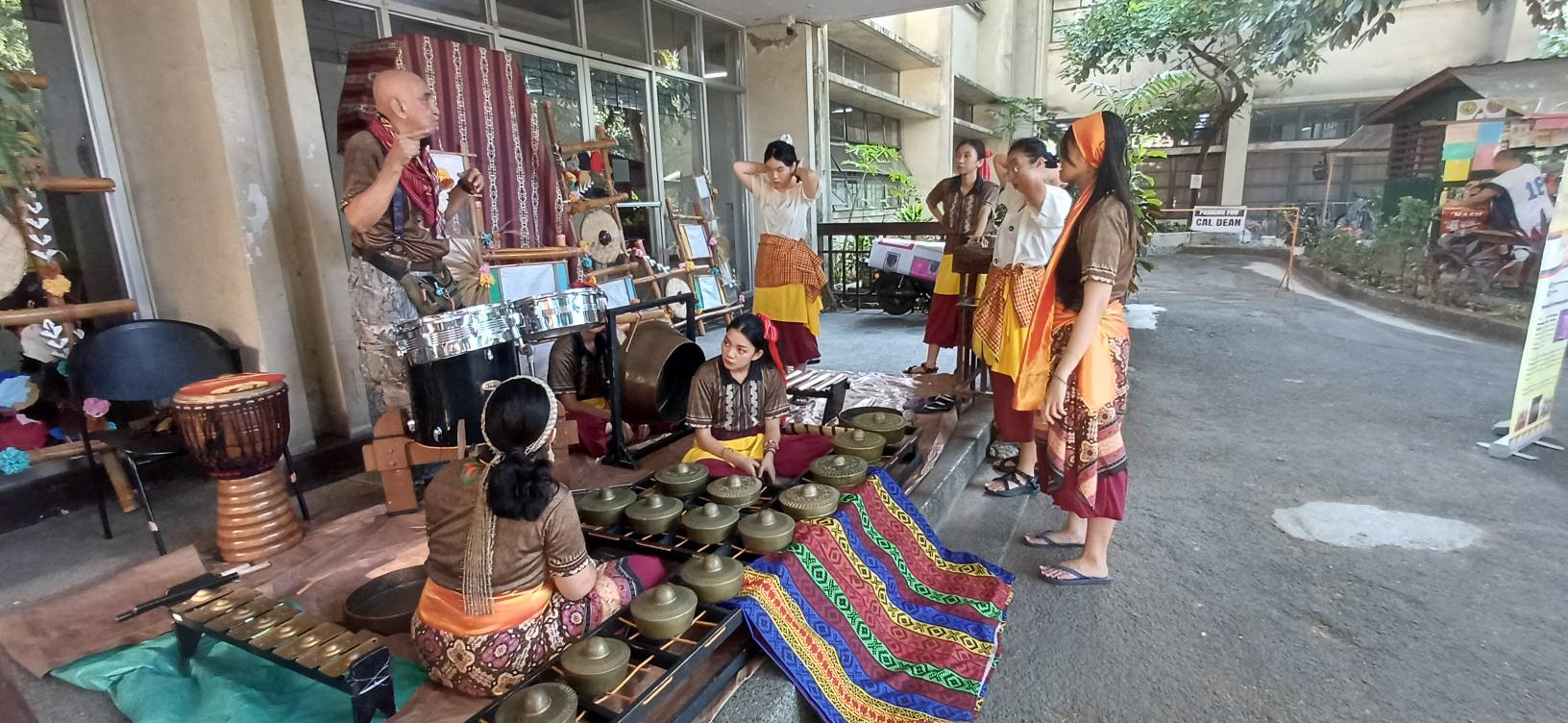
𝐁𝐚𝐥𝐚𝐠𝐭𝐚𝐬 𝐚𝐭 𝟐𝟑𝟖
𝐁𝐚𝐥𝐚𝐠𝐭𝐚𝐬 𝐚𝐭 𝟐𝟑𝟖
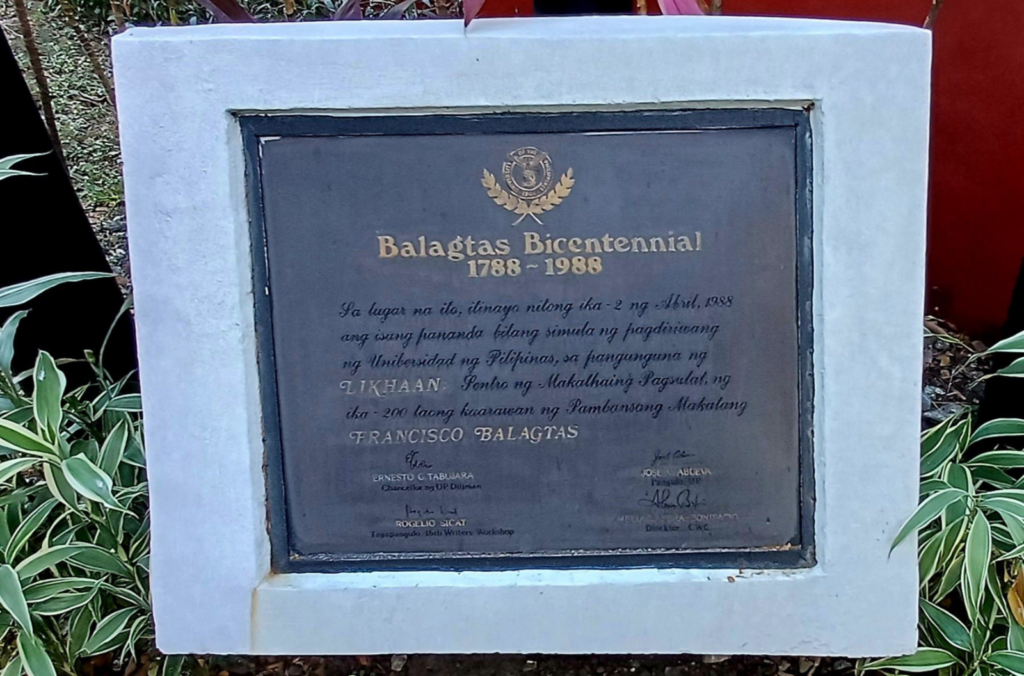
At the corner of Roxas and Roces, near the steps of Palma Hall, a weathered bronze marker sits largely ignored by the morning rush of students. It was bolted into place on April 2, 1988, marking exactly two centuries since the birth of Francisco Balagtas. Today is year 238.
The signatures etched into the metal—Jose V. Abueva, Ernesto Tabujara, Rogelio Sicat, and Amelia Lapeña-Bonifacio—reveal a specific collision of Philippine intellectual life. In 1988, this was not a gathering of bureaucrats, but an alignment of the university’s distinct halves: a political scientist theorizing the modern state, an engineer leading the institution, a novelist of the working class, and a dramatist who gave modern breath to folk tradition.
Why this particular group gathered for a poet who died in 1862 is a matter of lineage.
Balagtas was our most successful smuggler of ideas. Decades before the 1896 Revolution, he repurposed the awit—a rigid, colonial verse form—to map the psychology of oppression in Florante at Laura. He moved from the high-stakes political maneuvers of Orosman at Zafira to the sharp, one-act social critiques of La India Elegante y el Negrito Amante, proving it was possible to speak truth while standing in plain sight of the censor.
By placing this marker at the university’s core, these four leaders recognized that the institution’s mission—whether in the hard sciences, governance, or the arts—is rooted in that same Balagtasan instinct: the necessity of finding a vocabulary for freedom when the official language offers none.
The bronze has oxidized and the signatories have passed into history, but the alignment remains. We do not read Balagtas to sentimentally revisit the past. We read him to decode the persistent mechanics of our present.
𝐒𝐚𝐦𝐩𝐮𝐧𝐠 𝐓𝐚𝐨𝐧𝐠 𝐒𝐮𝐧𝐨𝐠
𝐒𝐚𝐦𝐩𝐮𝐧𝐠 𝐓𝐚𝐨𝐧𝐠 𝐒𝐮𝐧𝐨𝐠
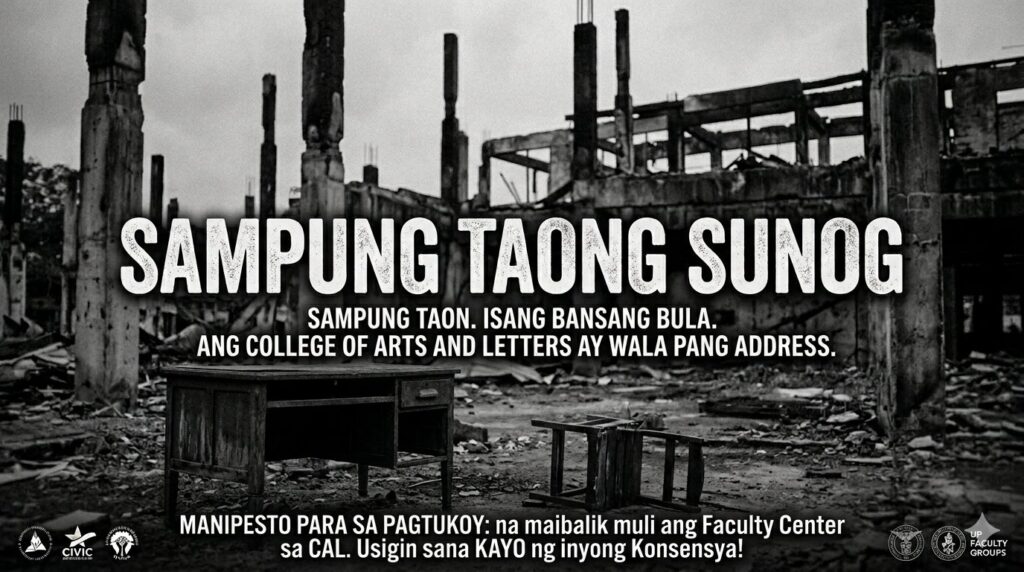
On April 1, 2016, the Faculty Center, the home of the UP College of Arts and Letters at the University of the Philippines Diliman burned until the morning light revealed nothing but a skeleton of charred concrete.
For many, the date felt like a cruel irony of the calendar, but the decade that followed has turned the joke into a permanent condition. A university is measured by its endurance, and ten years is a long time—long enough for a freshman to finish a doctoral degree—yet the institution has not laid a single brick to return its scholars to that ground.
𝐓𝐡𝐞 𝐅𝐂 𝐢𝐬 𝐧𝐨 𝐥𝐨𝐧𝐠𝐞𝐫 𝐚 𝐫𝐮𝐢𝐧, 𝐛𝐮𝐭 𝐢𝐭 𝐢𝐬 𝐧𝐨𝐭 𝐚 𝐜𝐨𝐥𝐥𝐞𝐠𝐞. 𝐈𝐭 𝐢𝐬 𝐛𝐞𝐢𝐧𝐠 𝐫𝐞𝐩𝐮𝐫𝐩𝐨𝐬𝐞𝐝 𝐢𝐧𝐭𝐨 𝐚 𝐬𝐮𝐢𝐭𝐞 𝐟𝐨𝐫 𝐭𝐡𝐞 𝐔𝐏 𝐒𝐲𝐬𝐭𝐞𝐦 𝐚𝐧𝐝 𝐃𝐢𝐥𝐢𝐦𝐚𝐧 𝐚𝐝𝐦𝐢𝐧𝐢𝐬𝐭𝐫𝐚𝐭𝐢𝐨𝐧 𝐮𝐧𝐝𝐞𝐫 𝐭𝐡𝐞 𝐠𝐮𝐢𝐬𝐞 𝐨𝐟 𝐚 “𝐅𝐚𝐜𝐮𝐥𝐭𝐲 𝐂𝐨𝐦𝐦𝐨𝐧𝐬”.
There is a cold, bureaucratic clarity in this: the university is building climate-controlled offices for its managers on the same soil where its teachers lost the hand-marked drafts of their life’s work.
In the global ledger of prestige, this displacement remains invisible. On March 25, 2026, the QS World University Rankings by Subject placed the university’s English and Comparative Literature programs in the 151–200 bracket—the highest mark in the country.
Across the broader Arts and Humanities, the university sits at 257th worldwide. These metrics represent the labor of a faculty that anchored the institution’s standing while working out of backpacks.
The data does not record the reality of a world-class teacher, artist and researcher grading papers at the sticky table of a commercial coffee shop or balancing a laptop on their knees in the humid roar of a sidewalk along the UP Diliman Academic Oval.
The professional life of a humanities professor in Diliman has become a nomad’s kit: a drive containing a career’s worth of lectures, a laptop, and a stack of exam papers and teaching materials. This “portable office” was meant to be an emergency measure. After ten years, it has become the default.
The loss of a physical home is a failure of the social mechanics of thought. Intellectual life requires the accidents of the corridor—the unscheduled debate, the mentorship that happens when a student sees a professor’s door ajar, the conversation that turns into a research breakthrough.
By denying the College of Arts and Letters a permanent address, the university has dismantled the physical heart of its academic core. This is the college that teaches every future scientist, doctor, lawyer, and engineer on campus how to think. It has produced eighteen National Artists, yet it remains a tenant without a lease.
To demand “defiant excellence” from a faculty living on the sidewalk for a decade is a policy of diminishing returns. The university frequently trades on the prestige of these rankings to court donors and international partners, yet it prioritizes administrative comfort over the actual production of knowledge.
As Holy Wednesday arrives—falling once again on the anniversary of the fire—the silence from the university’s leadership is the final evidence of a decade of drift. The restoration of the Faculty Center has moved from an urgency to a footnote, an “issue” to be managed rather than a crisis to be solved. A university that claims to be the nation’s conscience cannot ignore its own reflection.
The College of Arts and Letters has delivered the rankings. After ten years of nomadic labor, it should not still be looking for a place to sit down.
𝐓𝐡𝐞 𝐁𝐮𝐫𝐞𝐚𝐮𝐜𝐫𝐚𝐜𝐲 𝐨𝐟 𝐑𝐮𝐢𝐧𝐬
𝐓𝐡𝐞 𝐁𝐮𝐫𝐞𝐚𝐮𝐜𝐫𝐚𝐜𝐲 𝐨𝐟 𝐑𝐮𝐢𝐧𝐬
The UP College of Arts and Letters (CAL) is a strange case: an elite intellectual center that exists, for all practical purposes, in the middle of the street.
According to the 2026 Times Higher Education and 2025 QS World Rankings, CAL remains the premier home for arts and humanities in the Philippines. It is an institution that has produced eighteen National Artists and a steady stream of global award-winners. Its output anchored the university’s 331st global ranking in the discipline, with English and Comparative Literature, European Languages, and Theatre Arts frequently outranking the university’s wealthier, science and technology-based units. To a data analyst in London, New York, or Tokyo, these metrics suggest a well-funded, stable machine. To the scholars in Diliman, the rankings are a feat of sheer, stubborn endurance.
Everything changed on April 1, 2016, when the Faculty Center burned. In a few hours, the college lost more than a landmark. It lost the country’s intellectual basement. These were not merely “files.” They included the hand-marked drafts of National Artists and Professors Emeriti—decades of notes on the Filipino identity that became gray ash by sunrise. A decade later, that site is not being rebuilt for the people who lost their work. It is being reclaimed by a different priority.
There is a sharp, quiet irony in how the university handles its brand. The administration frequently uses “liberal arts excellence” to sell the institution to donors and international partners, effectively trading on the prestige earned by CAL’s faculty, students, and alumni while keeping those same people on the curb. While the college climbed the rankings, 𝐭𝐡𝐞 “𝐅𝐚𝐜𝐮𝐥𝐭𝐲 𝐂𝐨𝐦𝐦𝐨𝐧𝐬” 𝐨𝐧 𝐭𝐡𝐞 𝐨𝐫𝐢𝐠𝐢𝐧𝐚𝐥 𝐬𝐢𝐭𝐞 𝐰𝐚𝐬 𝐫𝐞𝐝𝐞𝐬𝐢𝐠𝐧𝐞𝐝 𝐟𝐨𝐫 𝐚𝐝𝐦𝐢𝐧𝐢𝐬𝐭𝐫𝐚𝐭𝐢𝐯𝐞 𝐬𝐮𝐢𝐭𝐞𝐬—𝐪𝐮𝐢𝐞𝐭, 𝐚𝐢𝐫-𝐜𝐨𝐧𝐝𝐢𝐭𝐢𝐨𝐧𝐞𝐝 𝐫𝐨𝐨𝐦𝐬 𝐟𝐨𝐫 𝐨𝐟𝐟𝐢𝐜𝐢𝐚𝐥𝐬 𝐰𝐡𝐨 𝐚𝐥𝐫𝐞𝐚𝐝𝐲 𝐩𝐨𝐬𝐬𝐞𝐬𝐬𝐞𝐝 𝐨𝐟𝐟𝐢𝐜𝐞𝐬. Meanwhile, the teachers, researchers and artists who actually built that global reputation remain nomadic.
The neglect is perhaps most visible in the silence of the institution’s current leadership transitions. 𝐈𝐧 𝐭𝐡𝐞 𝐨𝐧𝐠𝐨𝐢𝐧𝐠 𝐬𝐞𝐚𝐫𝐜𝐡 𝐟𝐨𝐫 𝐭𝐡𝐞 𝐧𝐞𝐱𝐭 𝐔𝐏 𝐃𝐢𝐥𝐢𝐦𝐚𝐧 𝐂𝐡𝐚𝐧𝐜𝐞𝐥𝐥𝐨𝐫, 𝐭𝐡𝐞 𝐫𝐞𝐬𝐭𝐨𝐫𝐚𝐭𝐢𝐨𝐧 𝐨𝐟 𝐭𝐡𝐞 𝐅𝐚𝐜𝐮𝐥𝐭𝐲 𝐂𝐞𝐧𝐭𝐞𝐫 𝐡𝐚𝐬 𝐛𝐞𝐞𝐧 𝐜𝐨𝐧𝐬𝐩𝐢𝐜𝐮𝐨𝐮𝐬𝐥𝐲 𝐚𝐛𝐬𝐞𝐧𝐭 𝐟𝐫𝐨𝐦 𝐡𝐢𝐠𝐡-𝐥𝐞𝐯𝐞𝐥 𝐝𝐢𝐬𝐜𝐨𝐮𝐫𝐬𝐞. It is treated as a footnote rather than an urgency, an “issue” to be managed rather than a crisis to be solved. This omission is the ultimate proof of institutional indifference: even as the university seeks new leadership, the literal heart of its premier college remains a hollowed-out memory.
This is not just a matter of convenience. It is a break in how people learn. 𝐓𝐡𝐞 𝐨𝐥𝐝 𝐅𝐚𝐜𝐮𝐥𝐭𝐲 𝐂𝐞𝐧𝐭𝐞𝐫 𝐰𝐚𝐬 𝐚 “𝐭𝐡𝐢𝐫𝐝 𝐬𝐩𝐚𝐜𝐞”—𝐚 𝐬𝐚𝐧𝐜𝐭𝐮𝐚𝐫𝐲 𝐰𝐡𝐞𝐫𝐞 𝐭𝐡𝐞 𝐫𝐢𝐠𝐢𝐝 𝐥𝐢𝐧𝐞𝐬 𝐨𝐟 𝐭𝐡𝐞 𝐜𝐥𝐚𝐬𝐬𝐫𝐨𝐨𝐦 𝐛𝐥𝐮𝐫𝐫𝐞𝐝 𝐢𝐧𝐭𝐨 𝐦𝐞𝐧𝐭𝐨𝐫𝐬𝐡𝐢𝐩. 𝐈𝐭 𝐰𝐚𝐬 𝐰𝐡𝐞𝐫𝐞 𝐆𝐞𝐧𝐞𝐫𝐚𝐥 𝐄𝐝𝐮𝐜𝐚𝐭𝐢𝐨𝐧 𝐭𝐞𝐚𝐜𝐡𝐞𝐫𝐬 𝐚𝐜𝐭𝐞𝐝 𝐚𝐬 𝐚 𝐬𝐚𝐟𝐞𝐭𝐲 𝐧𝐞𝐭 𝐟𝐨𝐫 𝐭𝐡𝐨𝐮𝐬𝐚𝐧𝐝𝐬 𝐨𝐟 𝐬𝐭𝐮𝐝𝐞𝐧𝐭𝐬 𝐟𝐚𝐫 𝐟𝐫𝐨𝐦 𝐡𝐨𝐦𝐞.
Today, that social glue is gone, and the college has become a set of disconnected points on a map. You can see the toll in the way the faculty lives. 𝐀 𝐔𝐏 𝐂𝐀𝐋 𝐩𝐫𝐨𝐟𝐞𝐬𝐬𝐨𝐫’𝐬 𝐞𝐧𝐭𝐢𝐫𝐞 𝐩𝐫𝐨𝐟𝐞𝐬𝐬𝐢𝐨𝐧𝐚𝐥 𝐥𝐢𝐟𝐞 𝐢𝐬 𝐧𝐨𝐰 𝐚 “𝐩𝐨𝐫𝐭𝐚𝐛𝐥𝐞 𝐨𝐟𝐟𝐢𝐜𝐞”: 𝐚 𝐛𝐚𝐜𝐤𝐩𝐚𝐜𝐤 𝐬𝐭𝐮𝐟𝐟𝐞𝐝 𝐰𝐢𝐭𝐡 𝐚 𝐥𝐚𝐩𝐭𝐨𝐩, 𝐚 𝐭𝐡𝐮𝐦𝐛 𝐝𝐫𝐢𝐯𝐞 𝐨𝐟 𝐞𝐯𝐞𝐫𝐲 𝐥𝐞𝐜𝐭𝐮𝐫𝐞 𝐭𝐡𝐞𝐲’𝐯𝐞 𝐞𝐯𝐞𝐫 𝐰𝐫𝐢𝐭𝐭𝐞𝐧, 𝐚𝐧𝐝 𝐚 𝐬𝐭𝐚𝐜𝐤 𝐨𝐟 𝐛𝐥𝐮𝐞 𝐛𝐨𝐨𝐤𝐬. 𝐓𝐡𝐞𝐲 𝐠𝐫𝐚𝐝𝐞 𝐞𝐱𝐚𝐦𝐬 𝐢𝐧 𝐭𝐡𝐞 𝐡𝐮𝐦𝐢𝐝 𝐫𝐨𝐚𝐫 𝐨𝐟 𝐜𝐚𝐦𝐩𝐮𝐬 𝐜𝐚𝐧𝐭𝐞𝐞𝐧𝐬 𝐨𝐫 𝐚𝐭 𝐭𝐡𝐞 𝐬𝐭𝐢𝐜𝐤𝐲 𝐭𝐚𝐛𝐥𝐞𝐬 𝐨𝐟 𝐚 𝐜𝐨𝐦𝐦𝐞𝐫𝐜𝐢𝐚𝐥 𝐜𝐨𝐟𝐟𝐞𝐞 𝐬𝐡𝐨𝐩, competing for space with noisy refrigerators and the transit of strangers.
There is a common mistake in thinking that a “world-class” mind only needs a brain to function. But the humanities are social. They require the “casual collisions” and shared coffee that only a physical home allows. Every student at the university, whether they are headed for a lab or a law firm, passes through CAL to learn how to think, write, and study the friction between nations and nationalism. The college is the university’s conscience, yet it is treated like a tenant without a lease.
Philippine scholarship is currently running on conviction rather than support. CAL has proven it can produce world-class teaching, theater, creative works and research from a borrowed desk or a sidewalk. But asking for “defiant excellence” while refusing to provide a roof is a strategy of diminishing returns. The college has already delivered the prestige. It should not still be waiting for an address.
𝑻𝑬𝑵 𝐘𝐞𝐚𝐫𝐬 𝐀𝐟𝐭𝐞𝐫 𝐭𝐡𝐞 𝐅𝐚𝐜𝐮𝐥𝐭𝐲 𝐂𝐞𝐧𝐭𝐞𝐫 𝐅𝐢𝐫𝐞, 𝐂𝐀𝐋 𝐬𝐨𝐚𝐫𝐬 𝐝𝐞𝐬𝐩𝐢𝐭𝐞 𝐡𝐚𝐯𝐢𝐧𝐠 𝐧𝐨 𝐡𝐨𝐦𝐞
𝗧𝗘𝗡 𝐘𝐞𝐚𝐫𝐬 𝐀𝐟𝐭𝐞𝐫 𝐭𝐡𝐞 𝐅𝐚𝐜𝐮𝐥𝐭𝐲 𝐂𝐞𝐧𝐭𝐞𝐫 𝐅𝐢𝐫𝐞, 𝐂𝐀𝐋 𝐬𝐨𝐚𝐫𝐬 𝐝𝐞𝐬𝐩𝐢𝐭𝐞 𝐡𝐚𝐯𝐢𝐧𝐠 𝐧𝐨 𝐡𝐨𝐦𝐞
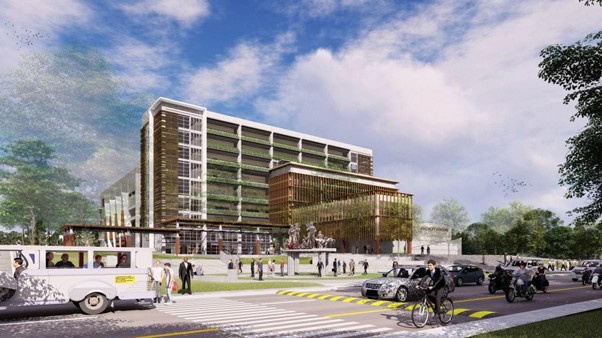
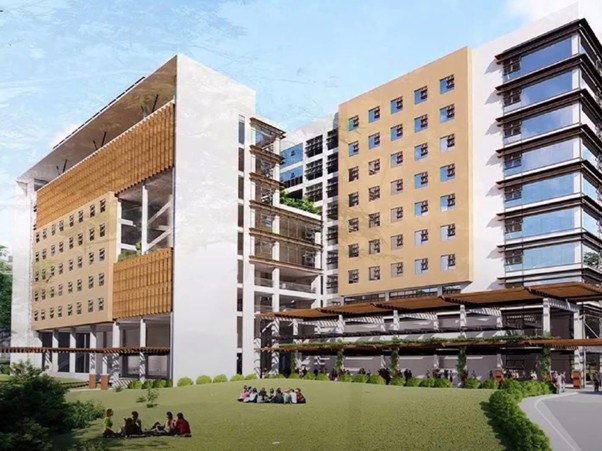
𝐔𝐏 𝐂𝐀𝐋 𝐫𝐚𝐧𝐤𝐬 𝟏𝐬𝐭 𝐢𝐧 𝐭𝐡𝐞 𝟐𝟎𝟐𝟔 𝐓𝐢𝐦𝐞𝐬 𝐇𝐢𝐠𝐡𝐞𝐫 𝐄𝐝𝐮𝐜𝐚𝐭𝐢𝐨𝐧 𝐖𝐨𝐫𝐥𝐝 𝐔𝐧𝐢𝐯𝐞𝐫𝐬𝐢𝐭𝐲 𝐑𝐚𝐧𝐤𝐢𝐧𝐠𝐬 𝐢𝐧 𝐭𝐡𝐞 𝐀𝐫𝐭𝐬 𝐚𝐧𝐝 𝐇𝐮𝐦𝐚𝐧𝐢𝐭𝐢𝐞𝐬 𝐢𝐧 𝐭𝐡𝐞 𝐏𝐡𝐢𝐥𝐢𝐩𝐩𝐢𝐧𝐞𝐬
The prestige of a university is often measured by the weight of its archives and the permanence of its stones.
Yet, for the UP College of Arts and Letters (CAL), the 2026 Times Higher Education World University Rankings reveal a more complex architecture of excellence—one built not of masonry but of sheer intellectual persistence.
In this year’s global assessment, CAL remains the national leader in the Arts and Humanities, maintaining a tripartite tie with Ateneo de Manila University and De La Salle University for the top spot in the Philippines. To the international observer, the data suggest a stable, thriving center of culture. But for those walking the Academic Oval, the figures tell only half a story. To lead in the Arts and Humanities is to steward a nation’s narrative. It is an endeavor that requires the “public square”—the physical and metaphorical space where ideas are tested.
As of 2026, CAL exists in a state of profound irony. Ten years after the Faculty Center fire, the very artists, scholars, and teachers responsible for this global standing remain displaced, stripped of the fundamental dignity of a desk. The tambayans—those informal spaces of student discourse—have vanished, and the public fora that define the university as the nation’s conscience are still without a home.
There is a quiet, radical power in being “No. 1” while standing amidst the unfinished Faculty Center. It is a testament that Philippine literary and cultural scholarship is a product of conviction rather than convenience. Like the resilient departments of the Ivy League or the ancient colleges of the UK during times of upheaval, UP has proven that intellect does not require a roof to remain sharp.
Yet excellence born of austerity is a fragile victory. The world still looks to UP, a public university and the country’s first National University, for the definitive Filipino narrative, but for that narrative to endure, the university must be more than a data point on a London-based league table. A university that leads the world in the study of humanity must, at the very least, provide the space for that humanity to gather.
We continue to produce honor, excellence, and service.
We simply ask for a home that matches our spirit.