๐—Ÿ๐—ฎ๐˜๐—ฒ๐˜€๐˜ ๐—ก๐—ฒ๐˜„๐˜€

๐€ ๐–๐จ๐ซ๐ค๐ข๐ง๐  ๐’๐ญ๐ฎ๐๐ž๐ง๐ญโ€™๐ฌ ๐‘๐ข๐ฌ๐ž: ๐‘๐จ๐ฌ๐ž ๐€๐ง๐ง๐ž ๐‚๐š๐ฌ๐š๐ค๐ฅ๐š๐ง๐  ๐๐š๐ฆ๐ž๐ โ€˜๐ˆ๐ฌ๐Š๐€๐‹๐š๐ซ ๐ง๐  ๐๐š๐ฒ๐š๐งโ€™
viber image 2026 07 07 04 23 21 383
untitled design (1)

๐€ ๐–๐จ๐ซ๐ค๐ข๐ง๐  ๐’๐ญ๐ฎ๐๐ž๐ง๐ญโ€™๐ฌ ๐‘๐ข๐ฌ๐ž: ๐‘๐จ๐ฌ๐ž ๐€๐ง๐ง๐ž ๐‚๐š๐ฌ๐š๐ค๐ฅ๐š๐ง๐  ๐๐š๐ฆ๐ž๐ โ€˜๐ˆ๐ฌ๐Š๐€๐‹๐š๐ซ ๐ง๐  ๐๐š๐ฒ๐š๐งโ€™

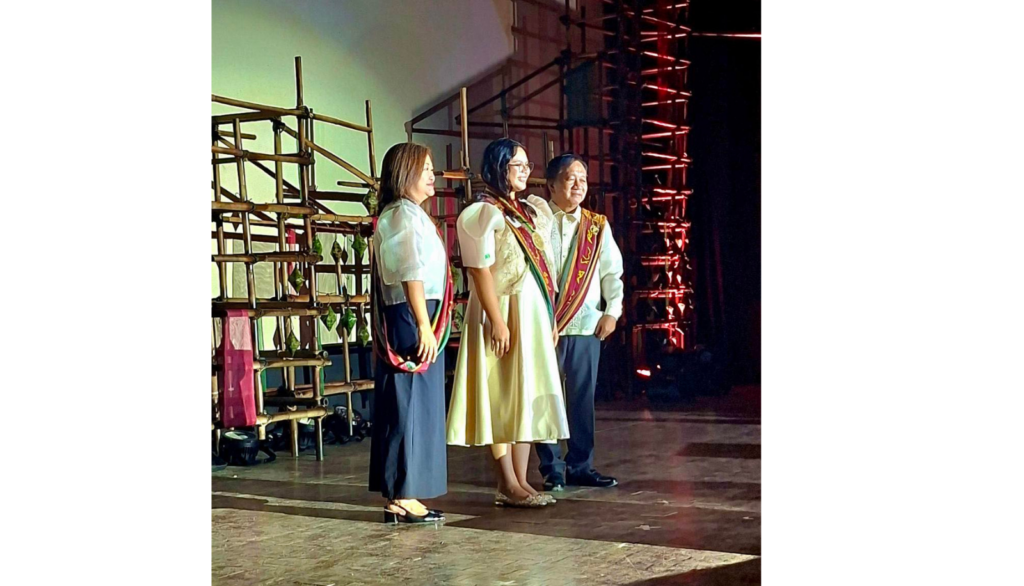
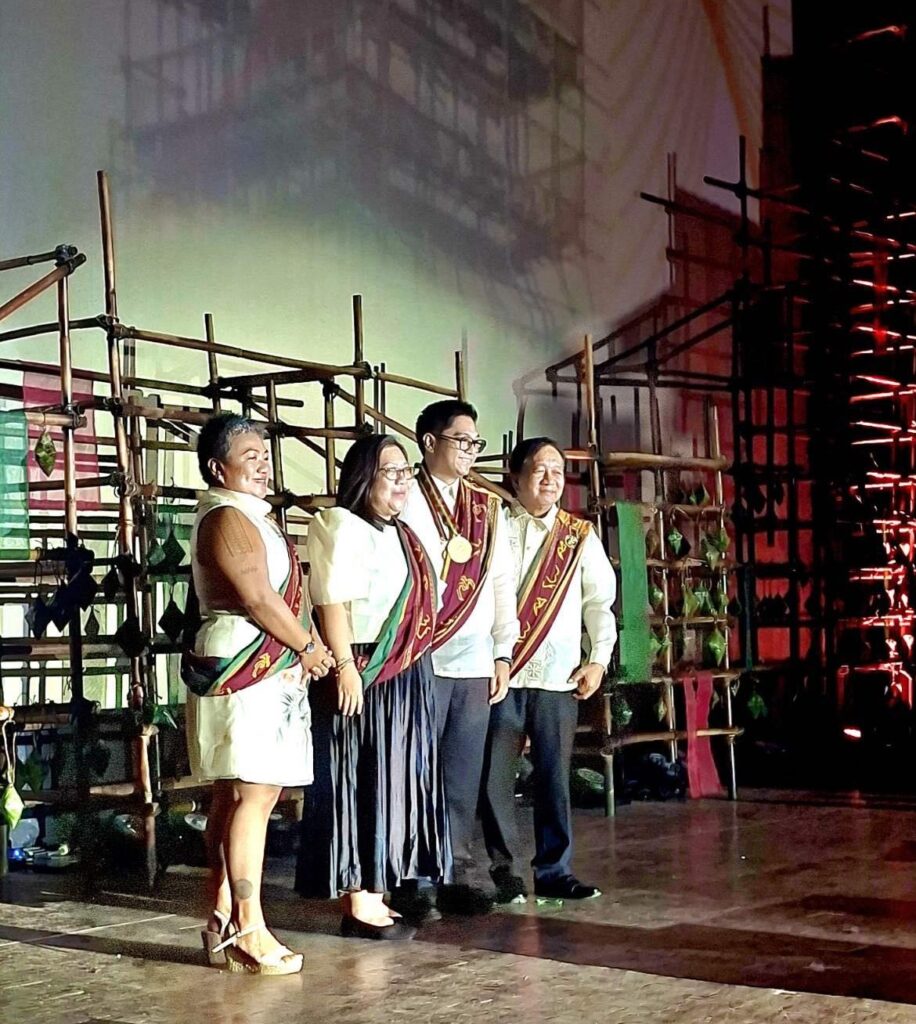
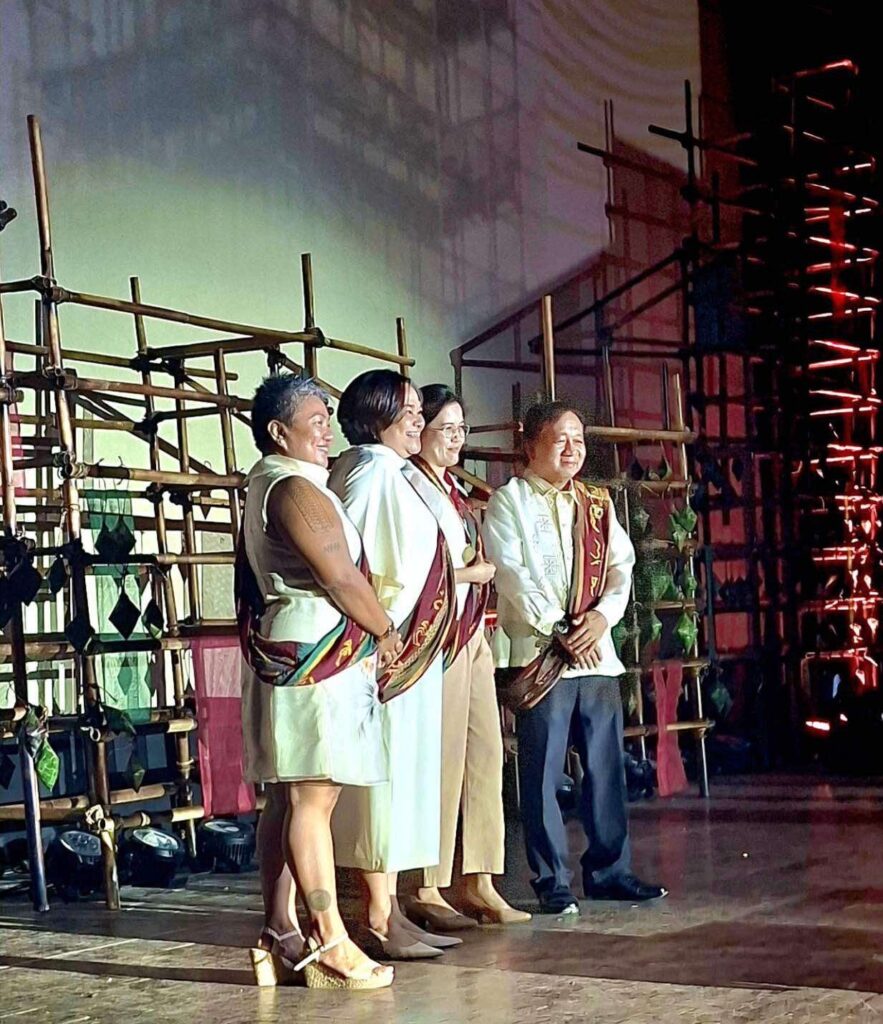
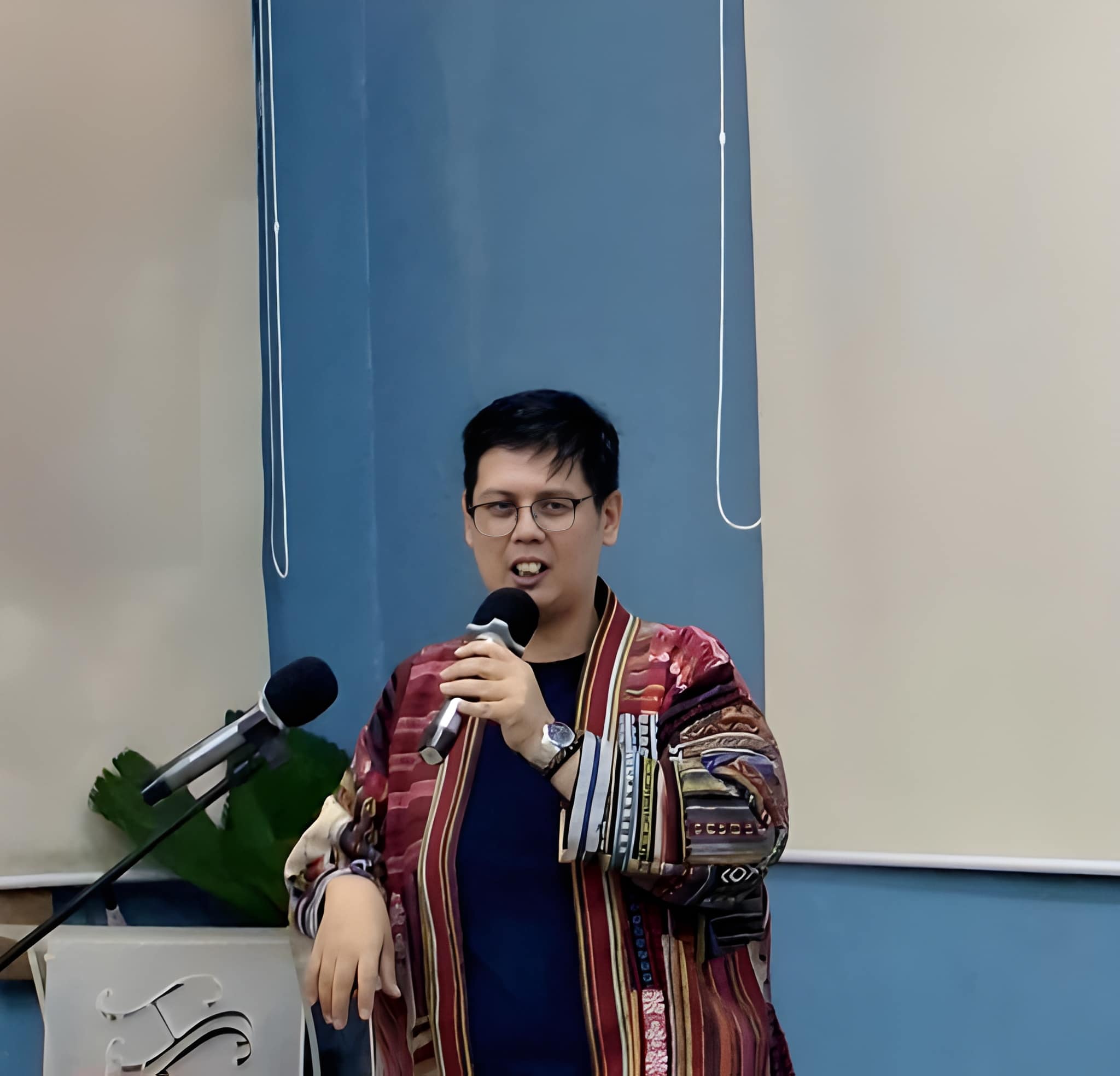
QUEZON CITY โ€” In a testament to perseverance, Rose Anne Casaklang, a BA English Studies: Language major who navigated the dual pressures of employment and rigorous study, was honored as the “IsKALar ng Bayan”โ€”a play on the Filipino term for scholar and the university’s acronymโ€”during the UP College of Arts and Letters (CAL) Recognition Day on Saturday, July 4, 2026.

Casaklang received her recognition from CAL Dean Jimmuel C. Naval and Associate Dean for Administration Aura Albano Abiera. She was chosen from among the collegeโ€™s 20 ๐‘†๐‘ข๐‘š๐‘š๐‘Ž ๐ถ๐‘ข๐‘š ๐ฟ๐‘Ž๐‘ข๐‘‘๐‘’ graduates after a comprehensive assessment that considered her undergraduate contributions, academic record, creative achievements, and socio-economic background.

With a remarkable weighted average grade of 1.10, Casaklangโ€™s academic journey was defined by service and professional development. As a working student, she balanced her studies with roles at the UP Diliman Office of the Vice Chancellor for Student Affairs (OVCSA), where she assisted in content creation and gender-focused initiatives, and served as a host and support staff for campus events. Her professional portfolio expanded further through her role as a ticket agent for #UAAPSeason88 and her significant contributions at the House of Representatives of the Philippines, where she transitioned from a legislative intern to a legislative assistant, conducting legal research and drafting official policy documents.

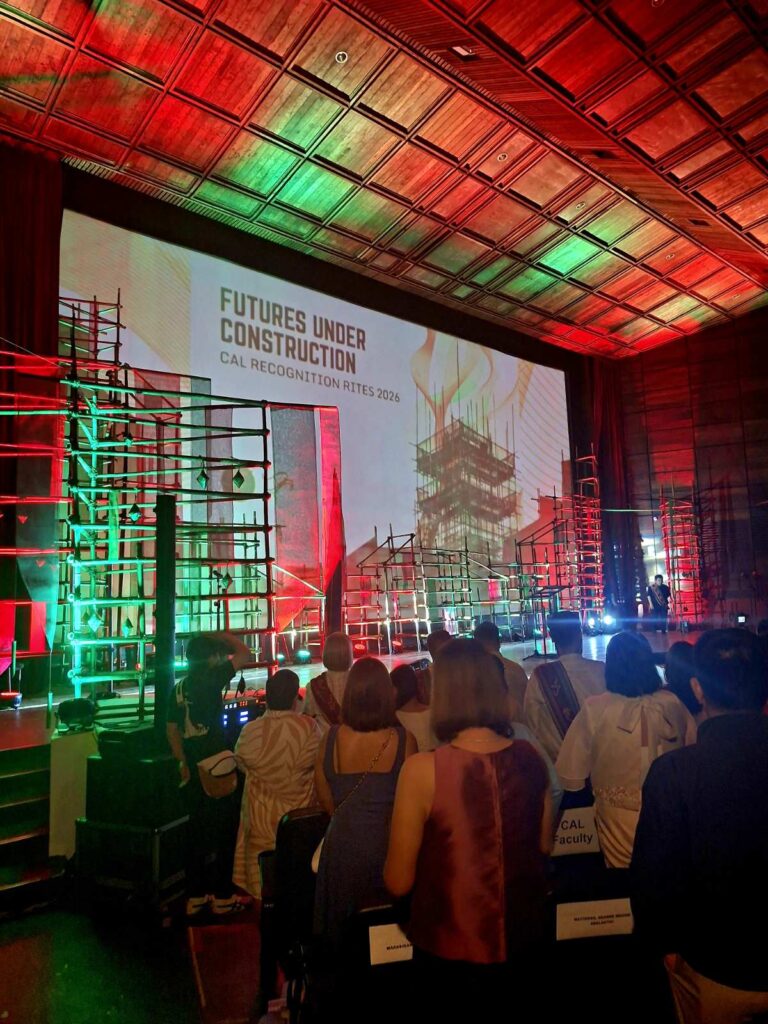
Her recognition unfolded against the backdrop of ๐ต๐‘Ž๐‘˜๐‘ค๐‘–๐‘ก, a mobile installation by theatre designer and Assistant Professor John Carlo Pagunaling. The bamboo structure, which occupied the graduation venue, served as a “spatial intervention” that laid bare the reality of a college still grappling with the decade-long aftermath of the 2016 Faculty Center fire. While the ceremony looked toward “Futures Under Construction,” the Bakwit installation reminded those present that for the humanities, the future remains a site of contested ground and institutional displacement.

Following the ceremony, Casaklang took her place at the vanguard of her peers, leading the CAL graduating class during the 115th general commencement exercises at the universityโ€™s amphitheater on Sunday, July 5, 2026.

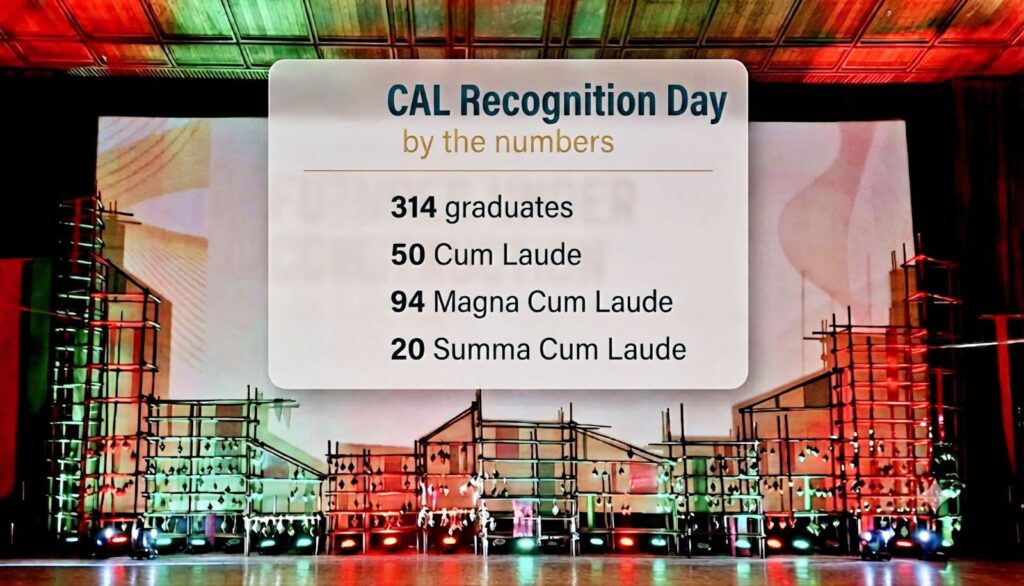
The event served as a showcase for the collegeโ€™s academic rigor, even as it highlighted the precarity of its physical conditions. According to CAL College Secretary Vina Paz, the college accounted for 314 of the 5,022 graduates from UP Diliman this year.

CAL students distinguished themselves through the following marks of academic attainment:

๐‘†๐‘ข๐‘š๐‘š๐‘Ž ๐ถ๐‘ข๐‘š ๐ฟ๐‘Ž๐‘ข๐‘‘๐‘’: 20 of the universityโ€™s 154 graduates earned this highest distinction, reserved for students who achieved a weighted average grade of 1.20 or higher.

๐‘€๐‘Ž๐‘”๐‘›๐‘Ž ๐ถ๐‘ข๐‘š ๐ฟ๐‘Ž๐‘ข๐‘‘๐‘’: 94 of the universityโ€™s 927 graduates were awarded this honor, requiring a grade of 1.45 or higher.

๐ถ๐‘ข๐‘š ๐ฟ๐‘Ž๐‘ข๐‘‘๐‘’: 50 of the universityโ€™s 914 graduates received this recognition, awarded to those who maintained a grade of 1.75 or higher.

viber image 2026 07 07 04 22 35 995
viber image 2026 07 07 04 22 35 623

๐‚๐€๐‹ ๐‡๐จ๐ง๐จ๐ซ๐ฌ ๐„๐ฑ๐œ๐ž๐ฅ๐ฅ๐ž๐ง๐œ๐ž ๐ข๐ง ๐‘๐ž๐ฌ๐ž๐š๐ซ๐œ๐ก

QUEZON CITY, Philippines โ€” On July 4, 2026, during the UP College of Arts and Letters (CAL) Recognition Day at the UP Film Centerโ€™s Cine Adarna, the college reaffirmed its commitment to the rigor of humanities research. Dean Jimmuel C. Naval and Associate Dean for Research, Creative Work, Extension, and Publication, Roselle Pineda, presided over the conferment of the 2026 Gawad Antonio Abad โ€“ Best Thesis/Dissertation Awards, honoring three scholars whose work defines the current trajectory of academic inquiry at Diliman.

The selection processโ€”described by the screening committee as both exhaustive and intellectually demandingโ€”favored projects that demonstrated exceptional originality and critical depth. These awards serve as a formal recognition of scholarship that overwhelms the conventional boundaries of its respective fields, engaging with history, memory, and culture through a lens of renewed scrutiny.

Within the Department of English and Comparative Literature (DECL), the ceremony underscored a notable continuity in mentorship. Aileen Salonga, PhD, was recognized as the adviser for this yearโ€™s MA-level winner, marking the second consecutive year her guidance has produced a Gawad Antonio Abad recipient. This consistency follows the 2025 recognition of Jerico Juan Esteron, whose doctoral dissertation, “But sensei, I’m not American!: Filipino Language Teacher Identity, Inequality and Politics of ELT in Japan,” set a high watermark for the program.

This yearโ€™s recipients continue that tradition of scholarly ambition:

๐‘ƒโ„Ž๐ท ๐ถ๐‘Ž๐‘ก๐‘’๐‘”๐‘œ๐‘Ÿ๐‘ฆ: Luisa Gomez (DECL) was awarded for her dissertation, “From ‘Devil’s Advocate’ to ‘Penguin Modern Classic’: Commemorative Cultures and the Afterlife of Nick Joaquin.” Advised by Patricia May Jurilla, PhD, Gomezโ€™s project provides an incisive examination of how commemorative practices sustain and reshape the legacy of a foundational literary figure.

๐‘€๐ด ๐ถ๐‘Ž๐‘ก๐‘’๐‘”๐‘œ๐‘Ÿ๐‘ฆ: Nicko Manalastas (DECL) received the award for his thesis, “Chained Tongues: The Politics of Language, Nation-Building, and Colonial Memory in the 1934 Philippine Constitutional Convention Records.” Manalastasโ€™s work offers a granular reconstruction of the linguistic tensions embedded in the nationโ€™s foundational legal records.

๐ต๐ด ๐ถ๐‘Ž๐‘ก๐‘’๐‘”๐‘œ๐‘Ÿ๐‘ฆ: Gerard Mathew Dasmariรฑas Fernandez, advised by Oscar Serquina Jr., PhD, of the UP Department of Speech Communication and Theatre Arts (DSCTA), was recognized for “Seasoned by the Sea: Exploring the Salt Production Process of the Budbud Makers of Miagao, Iloilo as a Performance of Cultural Heritage.” Moving beyond static observation, Fernandez articulates the labor of salt production as a living, performative archive of cultural heritage.

The award itself bears the name of Professor Antonio Mercado Abad, a luminary of Philippine letters whose family generously endowed the prize. A central figure during the Golden Age of Fil-Hispanic Literature (1898โ€“1941), Abad was a prolific poet, novelist, and essayist who utilized his writing to mount a sophisticated critique of American colonization. His literary contributions were marked by major accolades, including the prestigious Premio Zรณbel in 1928 and 1929 for his novels, most notably La oveja de Nathรกn. Beyond his creative output, Abad was a cornerstone of the universityโ€™s academic infrastructure, having co-founded the Department of Spanishโ€”now the Department of European Languagesโ€”at UP Diliman.

The legacy of the award is further enriched by his family connection, as the professor was the father of National Artist for Literature and UP CAL University Professor Emeritus Gรฉmino Henson Abad and father-in-law of Mrs. Mercedes “Mercy” Rivera Abad, a market research pioneer from the UPD College of Engineering, social entrepreneur, and the President of Ahon sa Hirap, Inc. (ASHI). She is highly celebrated for her extensive contributions to both the Philippine business sector and marginalized communities through microfinance.

In an academic climate where the humanities are increasingly tasked with justifying their relevance, these projects stand as evidence of the universityโ€™s enduring investment in deep, primary research. By bridging the gap between archival silence and contemporary cultural critique, the 2026 awardees offer a clear indication of the intellectual vitality defining the current generation of Diliman scholars.

viber image 2026 07 06 16 01 47 850
๐“๐ก๐ž ๐”๐ ๐‚๐จ๐ฅ๐ฅ๐ž๐ ๐ž ๐จ๐Ÿ ๐€๐ซ๐ญ๐ฌ ๐š๐ง๐ ๐‹๐ž๐ญ๐ญ๐ž๐ซ๐ฌ (๐‚๐€๐‹) ๐Ÿ๐ŸŽ๐Ÿ๐Ÿ” ๐‘๐ž๐œ๐จ๐ ๐ง๐ข๐ญ๐ข๐จ๐ง ๐ƒ๐š๐ฒ ๐š๐ญ ๐ญ๐ก๐ž ๐”๐ ๐…๐ข๐ฅ๐ฆ ๐ˆ๐ง๐ฌ๐ญ๐ข๐ญ๐ฎ๐ญ๐ž, ๐ก๐จ๐ฌ๐ญ๐ž๐ ๐›๐ฒ ๐ญ๐ก๐ž ๐”๐๐ƒ ๐ƒ๐ž๐ฉ๐š๐ซ๐ญ๐ฆ๐ž๐ง๐ญ ๐จ๐Ÿ ๐„๐ง๐ ๐ฅ๐ข๐ฌ๐ก ๐š๐ง๐ ๐‚๐จ๐ฆ๐ฉ๐š๐ซ๐š๐ญ๐ข๐ฏ๐ž ๐‹๐ข๐ญ๐ž๐ซ๐š๐ญ๐ฎ๐ซ๐ž.

How does a university celebrate its cultural producers while structurally displacing them?

For this yearโ€™s ceremonies, theatre designer and Assistant Professor of Theatre Arts John Carlo Pagunaling bypasses decorative protocol to debut a mobile installation: ๐ต๐‘Ž๐‘˜๐‘ค๐‘–๐‘ก. It is a spatial intervention that lays bare the exact material condition of the humanities in the contemporary academy.

๐ต๐‘Ž๐‘˜๐‘ค๐‘–๐‘กโ€”a vernacular corruption of the English “evacuate”โ€”designates the subject displaced by military conflict, ecological catastrophe, or state enclosure.

Pagunaling maps this category of uprooting directly onto the institutional body of the UP College of Arts and Letters (CAL). As a primary cradle of national humanistic production, CAL boasts an intellectual lineage that includes 19 National Artists. Yet, this cultural pedigree stands in stark contrast to a ten-year condition of institutional vagrancy.

Since the 2016 fire that gutted the UP Faculty Centerโ€”obliterating decades of irreplaceable archives and academic sanctuariesโ€”CALโ€™s faculty and student body have existed in a state of prolonged internal exile, distributed across transient enclaves. The ๐ต๐‘Ž๐‘˜๐‘ค๐‘–๐‘ก trope is no longer an external socio-political referent; it has become CAL’s lived reality.

This confrontation with structural precarity is a direct continuation of Pagunalingโ€™s design methodology. His past work consistently positions material culture at the intersection of popular idiom and systemic dislocationโ€”whether anchoring the economic desperation of the urban lumpenproletariat in Bona (2012), transforming post-disaster debris into a functional framework for Rak of Aegis (2014), or navigating geopolitical conflict in Anak Datu (2022).

With ๐ต๐‘Ž๐‘˜๐‘ค๐‘–๐‘ก, he moves from the proscenium arch to social sculpture.

The bamboo installation is built to be mobile and deliberately, will be routed through the grove between UP Vargas Museum and the Faculty Commons, along the U.P Academic Oval. Originally slated to mitigate the infrastructure deficits of displaced CAL departments, the new FC has been designated by the administration as the future headquarters for certain University of the Philippines System and UP Diliman bureaucracies.

This bureaucratic enclosure of space prioritizes managerial architecture over the infrastructure of humanistic pedagogy.

By physically introducing ๐ต๐‘Ž๐‘˜๐‘ค๐‘–๐‘ก into this disputed topography, Pagunaling utilizes scenography to disrupt bureaucratic transparency. The mobile installation forces a direct, physical encounter between a nomadic academic community and the expanding apparatus of university governance.

๐ต๐‘Ž๐‘˜๐‘ค๐‘–๐‘ก functions as an active archive of institutional trauma, rendering visible the systemic precarity hidden behind the rhetoric of academic excellence. The humanities cannot be abstractly canonized by an institution that structurally marginalizes their physical execution.

This is not a piece of ceremonial decor. It is an unaccommodated demand for space, memory, and structural rectitude.

#UPD #UPCAL #GawadBuhay #ScenographyAsCritique #PhilippineTheater #InstitutionalMemory

๐”๐ ๐Š๐€๐‹, ๐ˆ๐๐ข๐ง๐š๐จ๐ฌ ๐š๐ง๐  ๐ˆ๐ค๐š-๐Ÿ๐Ÿ๐Ÿ— ๐ง๐š ๐‘๐ž๐ ๐ฎ๐ฅ๐š๐ซ ๐ง๐š ๐๐ฎ๐ฅ๐จ๐ง๐  ๐ง๐  ๐€๐ฌ๐š๐ฆ๐›๐ฅ๐ž๐š ๐ง๐  ๐Š๐š๐ ๐ฎ๐ซ๐ฎ๐š๐ง

Idinaos ngayong umaga sa KAL-IBG Theater ang ika-129 na Regular na Pulong ng Asamblea ng Kaguruan at ang ika-59 na Pulong ng Graduate Faculty Council ng UP College of Arts and Letters. Pinangunahan ang pagtitipon ni Dekano Jimmuel Naval, kasama ang Kalihim ng Kolehiyo na si Vina Paz at ang Head ng Graduate Studies Office na si Marlon James Sales.

Pormal na inaprubahan ng Asamblea ang listahan ng mga magtatapos na mag-aaral ng kolehiyo. Nakatakda ang gaganaping Recognition Day ng KAL sa ika-4 ng Hulyo 2026 sa UP Cine Adarna/Film Center, habang idaraos naman ang ika-115 na University Commencement Exercises sa ika-5 ng Hulyo 2026 sa University Amphitheater. Magsisilbing panauhing pandangal at Commencement Speaker si dating Supreme Court Associate Justice Conchita Carpio Morales. Tinalakay rin sa sesyon ang mga ulat mula sa mga kagawaran, pagpapatibay ng mga katitikan, at iba pang usaping pang-akademiko.

viber image 2026 06 19 16 37 27 330

Mula sa UP Diliman:

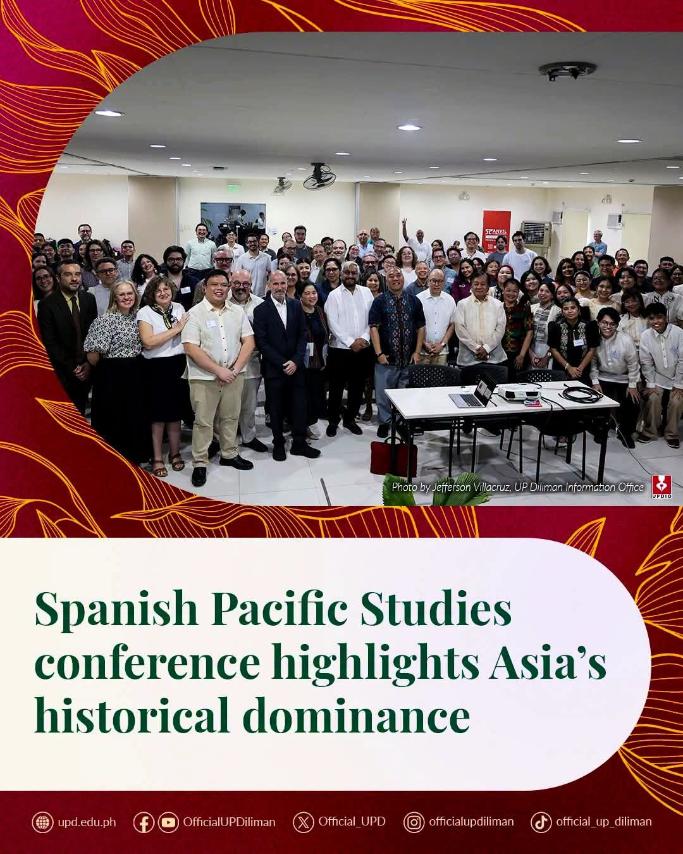
โ€œStudies made by historians, scholars, and researchers of the Spanish Pacific and the Galleon system, particularly from the 1400s to the 1800s, conclude that โ€˜the center of the world is not the Atlantic but Asia, particularly China.โ€™

โ€œThis was revealed at the international conference, The Spanish Philippines: First International Conference of the Society for Early Transpacific Studies, which the UP Diliman Department of European Languages (DEL) recently hosted.โ€

Read the article at https://upd.edu.ph/spanish-pacific-studies-conference-highlights-asias-historical-dominance/.

https://www.facebook.com/share/p/18qEtfaZqz/

viber image 2026 06 19 16 34 07 244
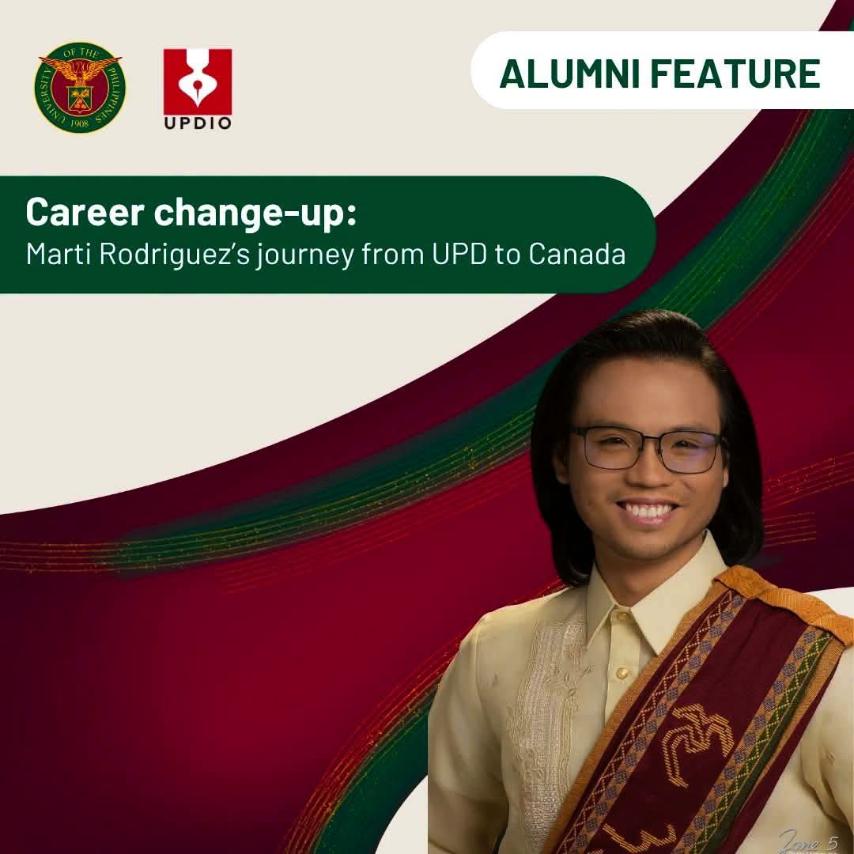
๐‘ด๐’‚๐’“๐’•๐’Š ๐‘น๐’๐’…๐’“๐’Š๐’ˆ๐’–๐’†๐’›, ๐’‚ ๐’‡๐’๐’“๐’Ž๐’†๐’“ ๐’‡๐’‚๐’„๐’–๐’๐’•๐’š ๐’Ž๐’†๐’Ž๐’ƒ๐’†๐’“ ๐’‚๐’๐’… ๐’‚๐’ ๐’‚๐’๐’–๐’Ž๐’๐’–๐’” ๐’๐’‡ ๐’•๐’‰๐’† ๐‘ผ๐‘ท๐‘ซ ๐‘ซ๐’†๐’‘๐’‚๐’“๐’•๐’Ž๐’†๐’๐’• ๐’๐’‡ ๐‘บ๐’‘๐’†๐’†๐’„๐’‰ ๐‘ช๐’๐’Ž๐’Ž๐’–๐’๐’Š๐’„๐’‚๐’•๐’Š๐’๐’ ๐’‚๐’๐’… ๐‘ป๐’‰๐’†๐’‚๐’•๐’“๐’† ๐‘จ๐’“๐’•๐’” (๐‘ซ๐‘บ๐‘ช๐‘ป๐‘จ)

From UP Diliman Alumni Relations :

In an interview with the UP Diliman (UPD) Alumni Relations, Marti Rodriguez, a former faculty member and an alumnus of the UPD Department of Speech Communication and Theatre Arts (DSCTA), shared what prompted his decision to leave behind his beloved teaching career at DSCTA.

Marti finished his bachelorโ€™s degree in organizational communication from UP Manila (UPM) in 2014. Though not his top program and university in mind, he made an active choice to journey with itโ€”clinging to his passion for communication and public speaking.

Following his graduation, he thrived in his career in the corporate world. He held positions such as talent management associate, social media associate, project development associate, and copywriter before joining the DSCTA as a faculty member in 2017. He eventually pursued his masterโ€™s degree in speech communication, which he brought to a close in 2022.

For Marti, navigating diverse roles was straightforward, as it can be likened to how his University experiences toughened him as a learner.

โ€œItโ€™s more of you matching up to those na pag sinabing UP dapat magaling ka, kita nila sa interview โ€˜yon. Navigation wise, I think kaya naman kasi yung skills mo nandon naโ€”itโ€™s more of just showing up and doing the work,โ€ he said.

Despite viewing his six-year teaching stint at the DSCTA as a big career breakthrough, Marti made a pivotal move after earning his masterโ€™s degree. He migrated to Canada with his wife, where he started from scratch. When asked about his reasons, he admitted the desire for a change of pace.

โ€œNoong panahon na yon, like โ€˜yung mga vlog na napapanood namin, mga naririnig namin sa mga nandonโ€”na theyโ€™re doing fine. Hindi naman sa jinajust ko, parang theyโ€™re happy with doing minimum wage sa mga restaurant, sa mga service industryโ€”sabi ko I wanna tryโ€”just a change of pace kasi if success is behind that, sino ba naman ako para hindi-an iyon?,โ€ he recalled.

Carrying this growth mindset, Marti stepped out of his comfort zone and embraced the unfamiliarity that lies beyond the four corners of the University classroom. In Canada, he first worked as a line cook assigned to tasks such as dishwashing, kitchen maintenance, and general cooking needs. The demanding nature of this work, however, proved too much for his physical health, compelling him to return to teaching to make ends meet.

Reflecting on his resurgence in teaching, Marti recognized how public speaking and communication are deeply tied with his identity. This realization has gradually helped him regain his instructional voice in the academic community. He now teaches under the Speech Division of Mount Royal University.

Marti confessed that transitioning to a completely different learning environment presented challenges. Nevertheless, he relied on his speech communication background and highlighted the flexibility it offers. โ€œI would say there are different standards to teaching, and I would still say na โ€˜yung training natin sa speech comm, sa instructional, itโ€™s still the best for me,โ€ he shared. He also added how he drew inspiration from his former professorsโ€™ unique and creative pedagogical approaches to improve his strategies.

Marti then thanked the strong support system he found in his former colleagues, students, and family, recalling how their encounters fostered growth and healthy workplace relationships.

โ€œNumber one โ€˜yung DSCTA. Kasi kung mahirap o madali โ€˜yung trabaho, palagi silang nandon, kasama mo sila palagi. Number two would be my students. Itโ€™s just happy na theyโ€™re better than you, which is the point of education. Na-iinspire ako sa kanila pagbutihin โ€˜yung work ko once I see them out there, thriving, sometimes even better than how Iโ€™m thriving. Tas siguro my family, my wife, definitely because without her support, I would have probably not gotten my job.โ€

Marti ended the interview by encouraging UP students to always be open for growth without compromising their well-being.

โ€œNumber one, donโ€™t box yourself into roles and responsibilities. Youโ€™re much bigger than that. You start coming in as an individual always sa mga work mo. Youโ€™re always bigger than the work. You always have to choose yourself. There will always be workplaces that support that. You just have to find it.โ€

Text by Jaspher Kylle Visico, UP Diliman Information Office
Photo from Marti Rodriguez

https://www.facebook.com/share/1D3DBWoUkx/

๐”๐ ๐‚๐€๐‹ ๐‡๐จ๐ฌ๐ญ๐ฌ ๐”๐‚ ๐๐ž๐ซ๐ค๐ž๐ฅ๐ž๐ฒ ๐’๐ญ๐ฎ๐๐ฒ ๐€๐›๐ซ๐จ๐š๐ ๐‚๐จ๐ฎ๐ซ๐ฌ๐ž ๐จ๐ง ๐ญ๐ก๐ž ๐๐ก๐ข๐ฅ๐ข๐ฉ๐ฉ๐ข๐ง๐ž๐ฌ

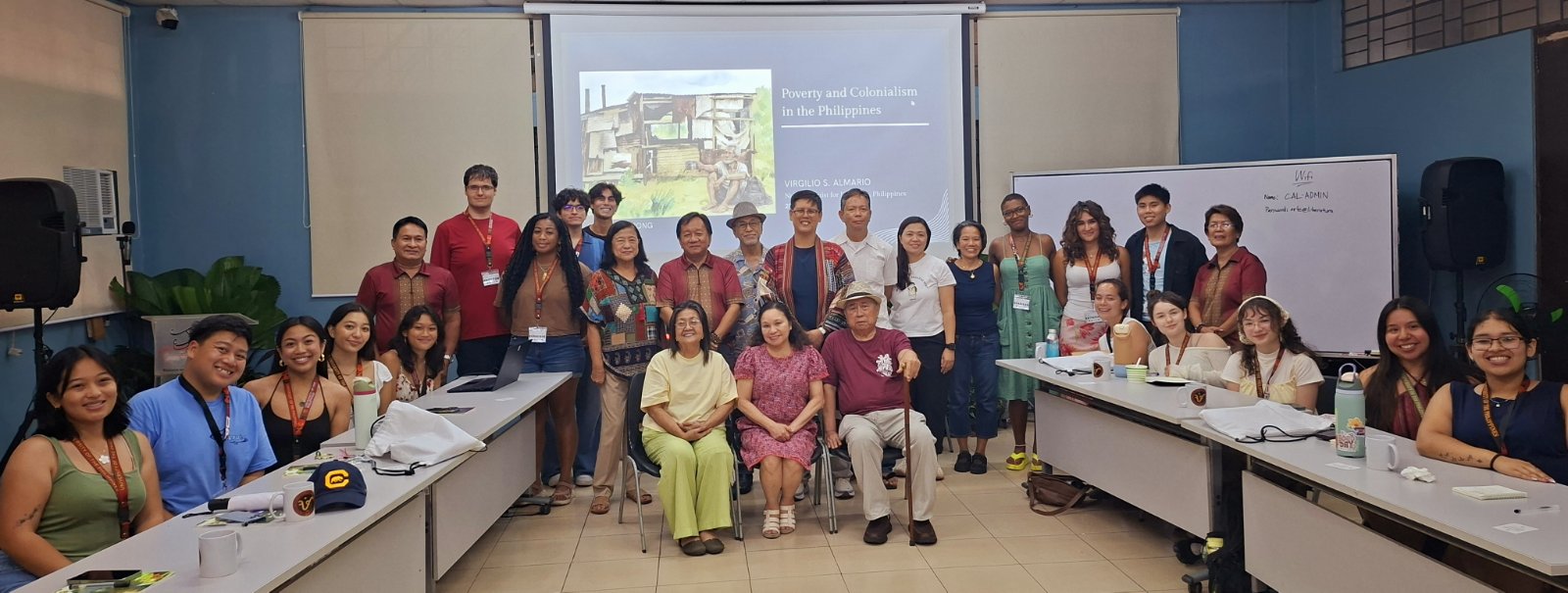
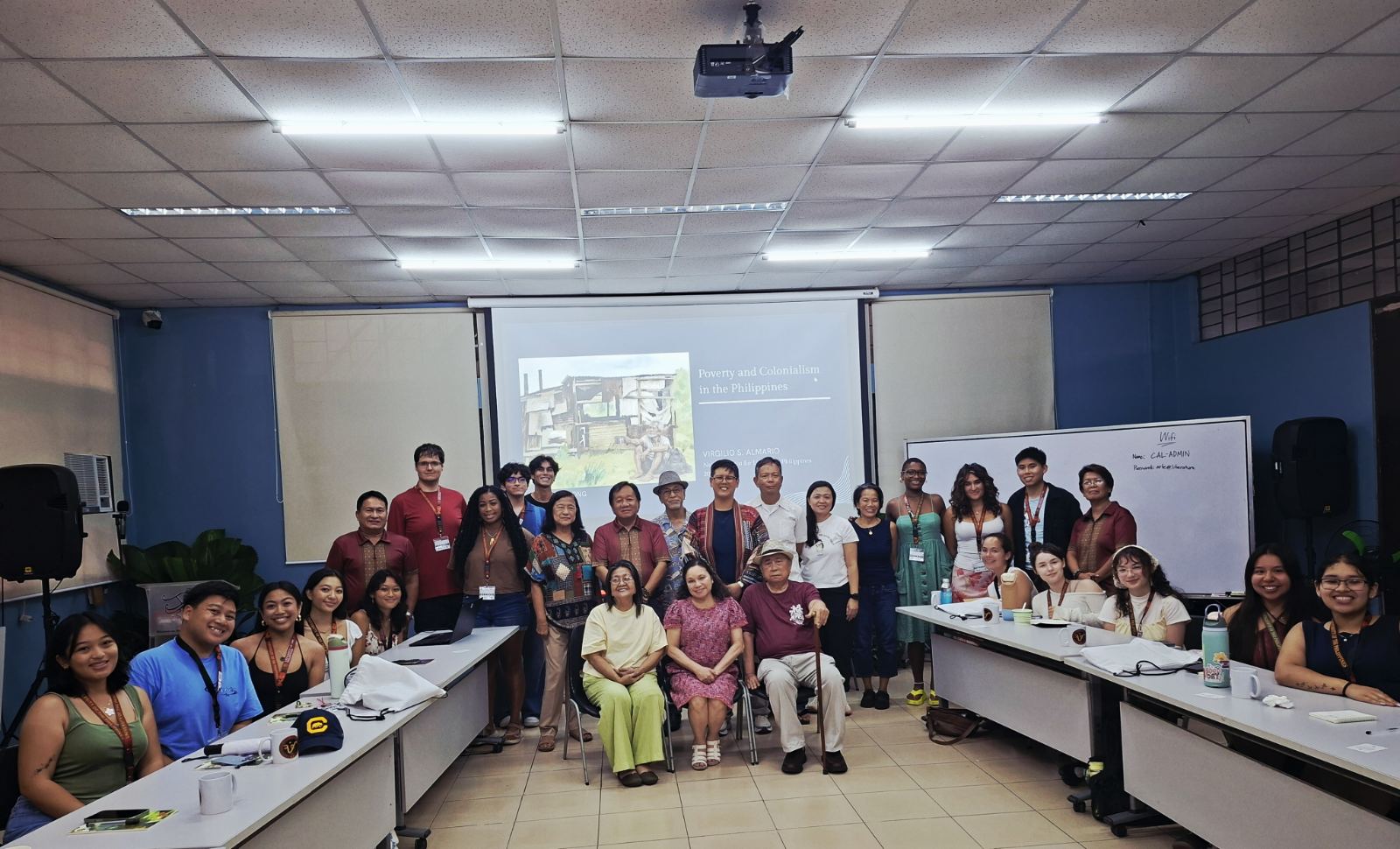
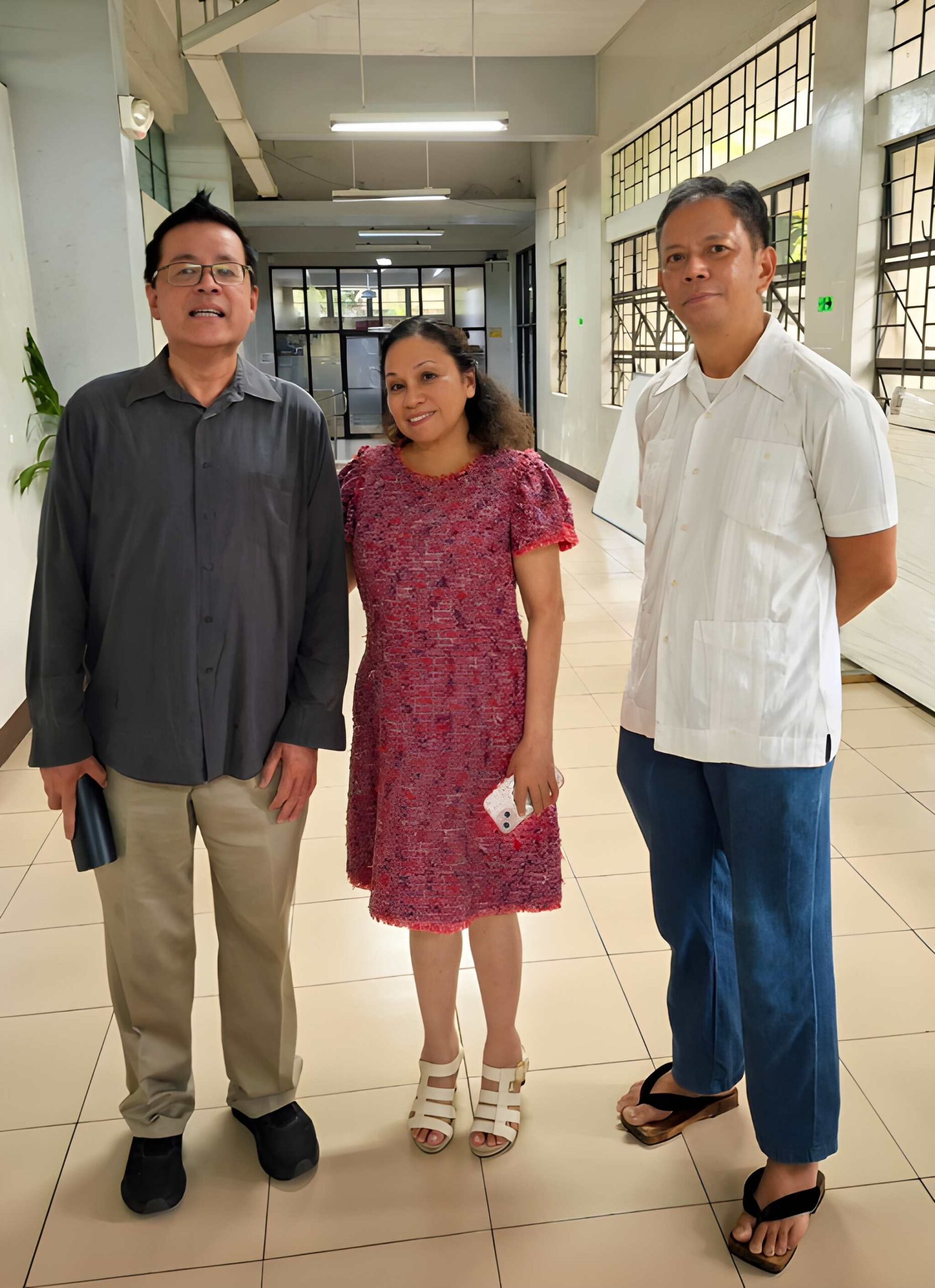
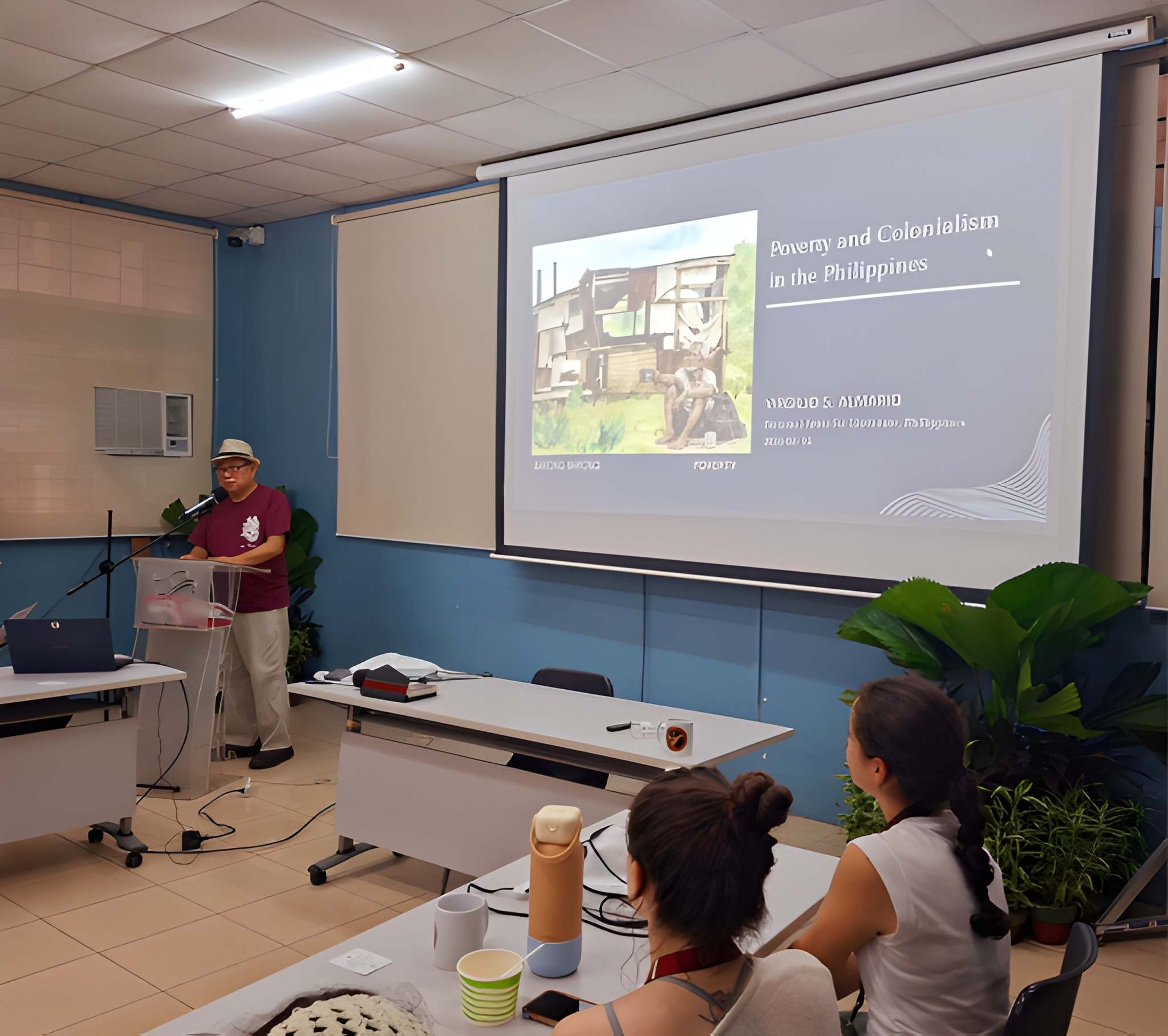
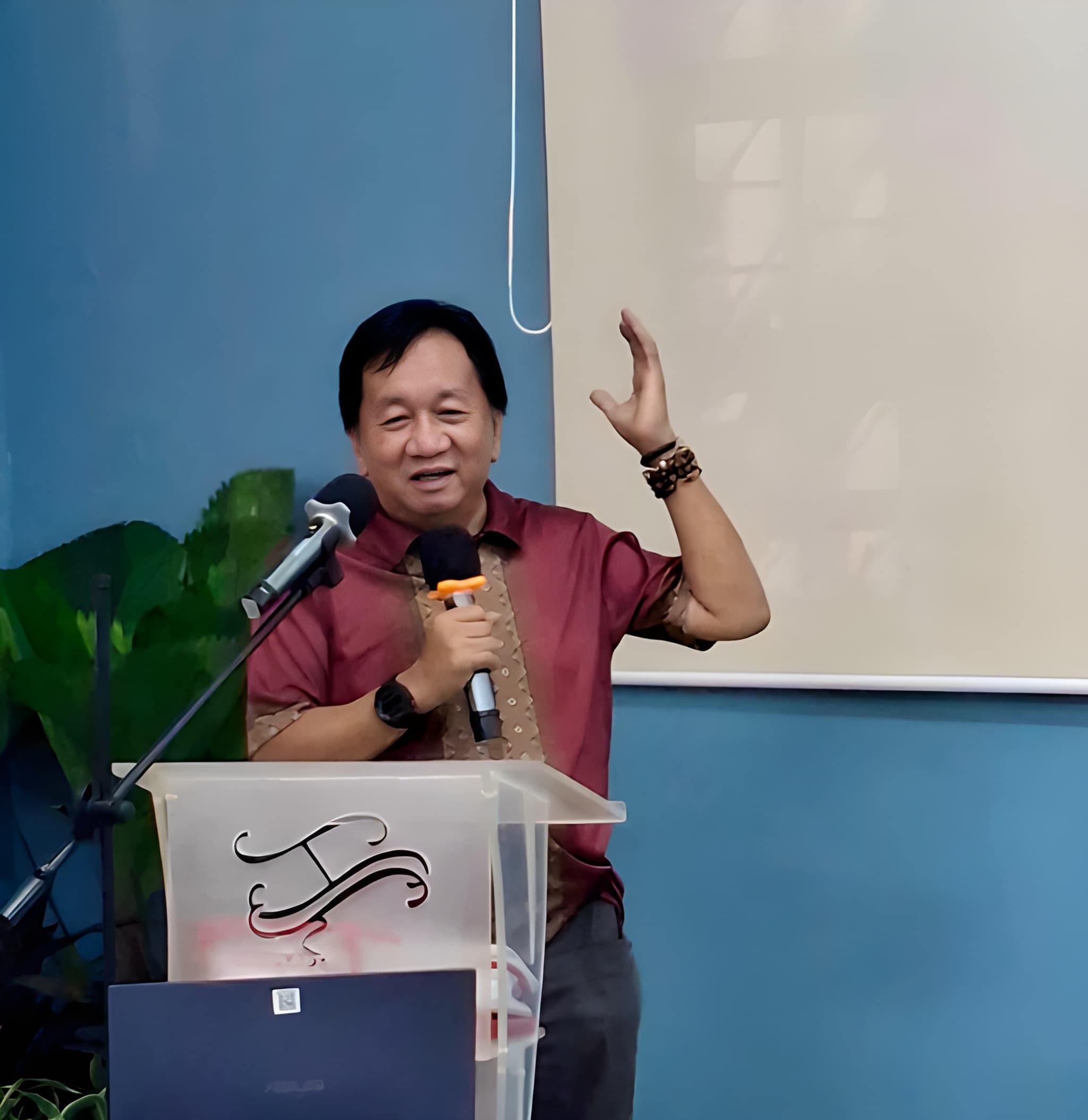
On June 15, 2026, the UP College of Arts and Letters (CAL) and the University of California, Berkeley launched this yearโ€™s UC Berkeley Study Abroad course on “Poverty and Colonialism in the Philippines” with National Artist for Literature Virgilio S. Almario as Keynote Speaker. CAL Dean Jimmuel S. Naval, and UP Departamento ng Filipino at Panitikan ng Pilipinas Chair Schedar Jocson officiated the Opening Ceremonies. The course is designed to immerse students in a comprehensive exploration of Philippine history, culture, and socio-political dynamics through an extensive fieldwork-based research experience.

The delegation from UC Berkeley was led by UP CAL alumna and former Associate Dean for Academic Affairs Joi Barrios, who has taught for over twenty years in Filipino and Philippine Studies at the University. Dignitaries, including 2019 UP Gawad Plaridel Recipient Bonifacio P. Ilagan, former UP Vice President for Public Affairs Roland Tolentino, Retired Professor of English Milagros Carreon Laurel, DFPP Associate Professor Eilene Narvaez, and UP CAL Alumni Association Co-Chair Chyn San Juan, also attended the ceremony.

UC Berkeley Study Abroad course will facilitate direct engagement with various segments of Philippine society, fostering firsthand experiences and interactions with local scholars. This experiential learning approach is designed to deepen students’ comprehension of the multifaceted nature of Filipino traditions and the historical forms of resistance that have developed over time.

An aspect of the program involves qualitative research through interviews with diverse community members, including farmers, economically disadvantaged urban residents, and individuals from the Cordillera mountain region. Such interactions are intended to provide a nuanced understanding of contemporary issues in the Philippines, alongside contextual insights grounded in historical narratives.

Alongside fieldwork, the curriculum incorporates lectures from eminent Filipino scholars who will address pivotal themes germane to the course. These academic sessions are intended to give students a rich understanding of complex topics and enhance their analytical framework regarding various dimensions of Philippine history and culture.

Key themes explored in the course include the evolution of the Philippines’ historical narrative, the interplay of tradition, and various forms of resistance against disparate power structures. Specific topics for analysis will comprise the Japanese Occupation, the utilization of indigenous knowledge systems exemplified by practices surrounding the Banaue rice terraces, and the socio-political ramifications of martial law. Each theme will be approached through a comparative lens, elucidating the diverse narratives that shape individual and collective experiences.

The course offers six units of academic credit through UC Berkeley’s Summer Abroad program and employs narrative inquiry as its methodological underpinning. This approach prioritizes storytelling as a critical tool for analyzing and interpreting the intricate social phenomena relevant to the Philippine context, enabling students to appreciate the richness of personal and collective narratives within a broader historical framework.

7

๐Ÿ‘๐Ÿ ๐Ÿ๐ซ๐จ๐ฆ ๐‚๐€๐‹ ๐ง๐š๐ฆ๐ž๐ ๐”๐ ๐€๐ซ๐ญ๐ข๐ฌ๐ญ๐ฌ ๐Ÿ๐จ๐ซ ๐‚๐˜ ๐Ÿ๐ŸŽ๐Ÿ๐Ÿ‘โ€“๐Ÿ๐ŸŽ๐Ÿ๐Ÿ”

QUEZON CITY โ€” Thirty-one faculty members, former faculty members, and alumni from the UP College of Arts and Letters (CAL) were appointed to the UP Arts Productivity System (APS) for Cycle Years (CY) 2023โ€“2025 and CY 2024โ€“2026.
The UP Board of Regents (BOR) approved the appointments during its 1409th meeting on May 27, 2026, following the recommendations of the APS Council, UP President Angelo A. Jimenez, and Vice President for Academic Affairs Lorraine Pe Symaco.
The APS was established in December 2008 to recognize outstanding productivity in the creative arts and arts scholarship. Appointees receive the title of “UP Artist” alongside annual monetary awards for three years: โ‚ฑ150,000 for Artist I, โ‚ฑ200,000 for Artist II, and โ‚ฑ250,000 for Artist III.
The total funding allocated for the 2023โ€“2026 period is โ‚ฑ24,900,000.00.
The CAL-affiliated faculty members, researchers, and alumni included in the official roster are categorized by their award cycles, application types, and artistic disciplines:

๐‚๐˜ ๐Ÿ๐ŸŽ๐Ÿ๐Ÿ‘โ€“๐Ÿ๐ŸŽ๐Ÿ๐Ÿ“
๐๐ž๐ฐ ๐€๐ฉ๐ฉ๐ฅ๐ข๐œ๐š๐ญ๐ข๐จ๐ง๐ฌ
Ma. Cecilia Dela Rosa โ€“ UP Artist I (Theatre Arts, Literature)
Roselle V. Pineda โ€“ UP Artist I (TV/Radio/Digital Media)
Elyrah L. Salanga-Torralba โ€“ UP Artist I (Literature)
Oscar T. Serquiรฑa Jr. โ€“ UP Artist I (Theatre Arts)
Maree Barbara M. Tan-Tiongco โ€“ UP Artist I (Theatre Arts)
Amparo Adelina III C. Umali โ€“ UP Artist II (Theatre Arts)
Emmanuel V. Dumlao (UP Los Baรฑos) โ€“ UP Artist I (TV/Radio/Digital Media, Theatre Arts, Literature) 

๐‘๐ž๐ญ๐ž๐ง๐ญ๐ข๐จ๐ง
Raniela E. Barbaza โ€“ UP Artist I (Literature)
Ma. Amihan Bonifacio-Ramolete โ€“ UP Artist I (Theatre Arts)
U Z. Eliserio โ€“ UP Artist I (Literature)
Sir Anril P. Tiatco โ€“ UP Artist I (Theatre Arts)
Vladimeir B. Gonzales โ€“ UP Artist II (Theatre Arts, Literature)
Patrick F. Campos โ€“ UP Artist II (Film)

๐‚๐˜ ๐Ÿ๐ŸŽ๐Ÿ๐Ÿ’โ€“๐Ÿ๐ŸŽ๐Ÿ๐Ÿ” ๐‚๐จ๐ก๐จ๐ซ๐ญ
๐๐ž๐ฐ ๐€๐ฉ๐ฉ๐ฅ๐ข๐œ๐š๐ญ๐ข๐จ๐ง๐ฌ
Sydney Paige P. Guerrero โ€“ UP Artist I (Literature)
Mark Louie L. Lugue โ€“ UP Artist I (Visual Arts)
John Carlo V. Pagunaling โ€“ UP Artist II (Theatre Arts)
Jay Jomar F. Quintos โ€“ UP Artist II (Literature)
Dayang Magdalena Nirvana T. Yraola โ€“ UP Artist I (Visual Arts)
Dennis Andrew S. Aguinaldo (UP Los Baรฑos) โ€“ UP Artist I (Literature)
Cris R. Lanzaderas (UP Los Baรฑos) โ€“ UP Artist I (Film, Literature)
Liwliwa N. Malabed (UP Los Baรฑos) โ€“ UP Artist I (Literature)
John E. Barrios (UP Visayas) โ€“ UP Artist I (Literature) 

๐‘๐ž๐ญ๐ž๐ง๐ญ๐ข๐จ๐ง
Cecilia S. De La Paz โ€“ UP Artist I (Visual Arts)
Jose Wendell P. Capili โ€“ UP Artist I (Literature)
Arbeen R. Acuรฑa โ€“ UP Artist I (Literature)
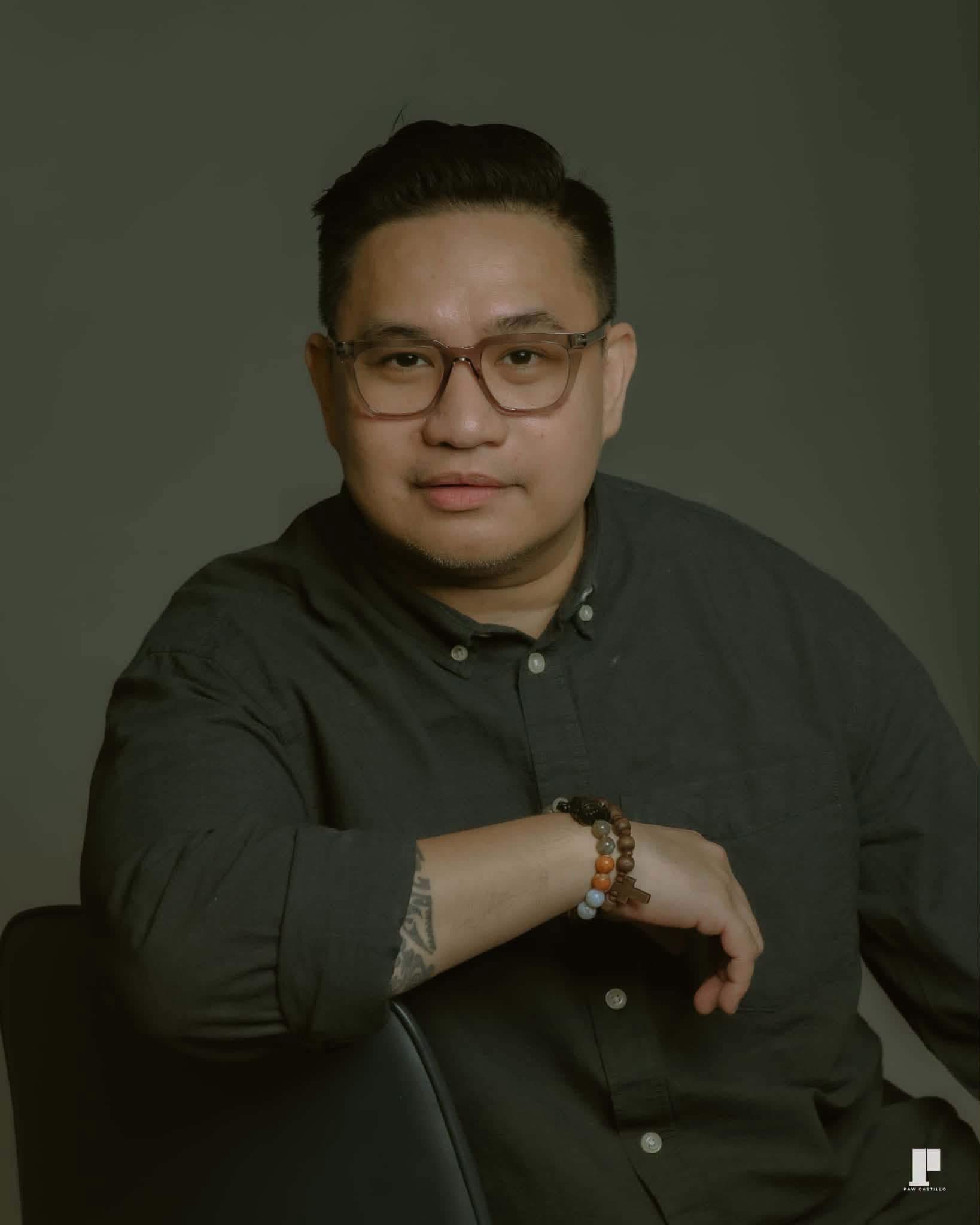
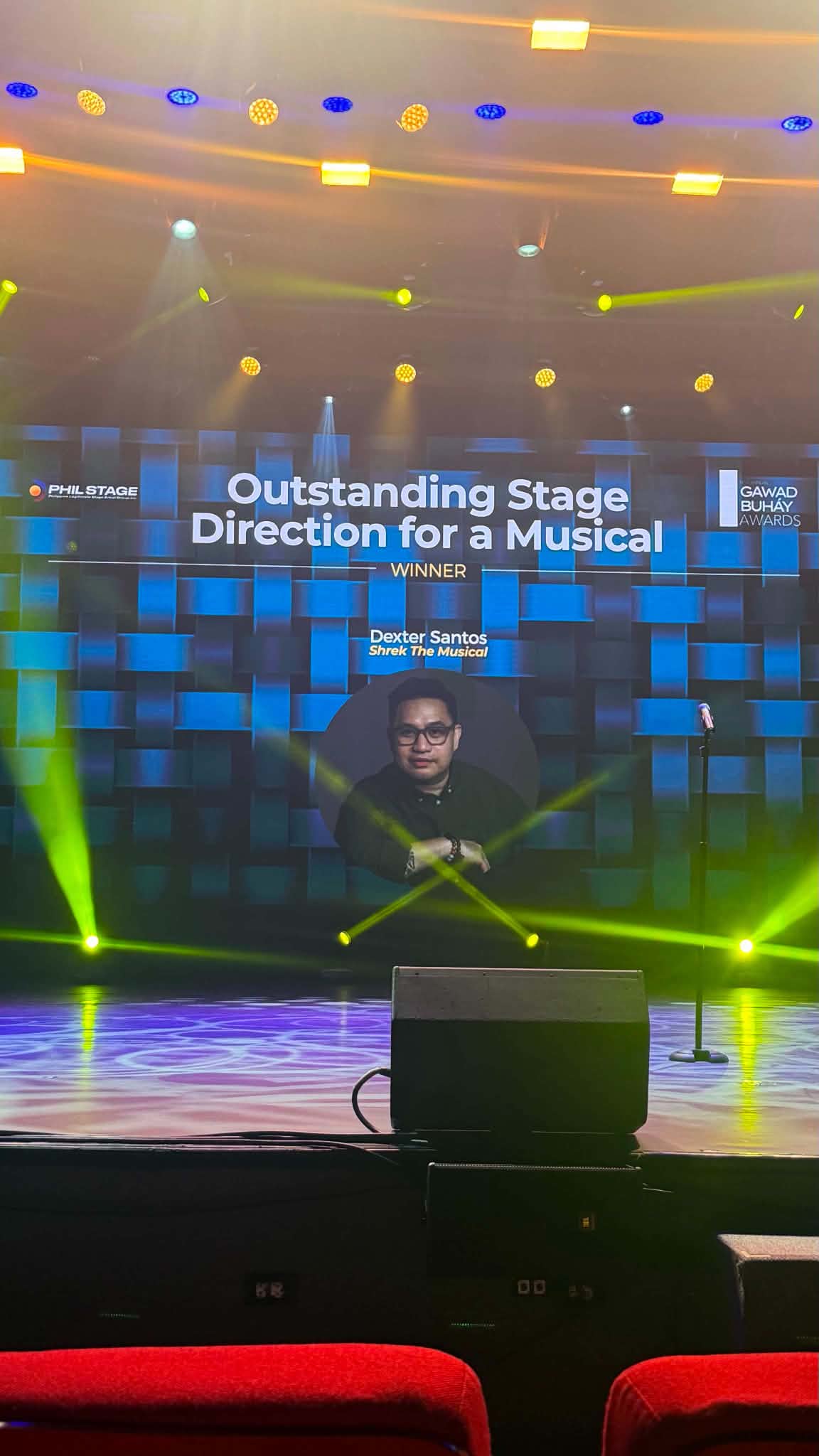
Dexter M. Santos โ€“ UP Artist II (Theatre Arts)
Ferdinand P. Jarin (UP Visayas) โ€“ UP Artist II (Literature)
Will P. Ortiz โ€“ UP Artist II (Literature)
Eugene Y. Evasco โ€“ UP Artist III (Literature)
Eulalio III R. Guieb โ€“ UP Artist III (Film, TV/Radio/Digital Media, Theatre Arts, Literature)
Roland B. Tolentino โ€“ UP Artist III (Film, Literature)

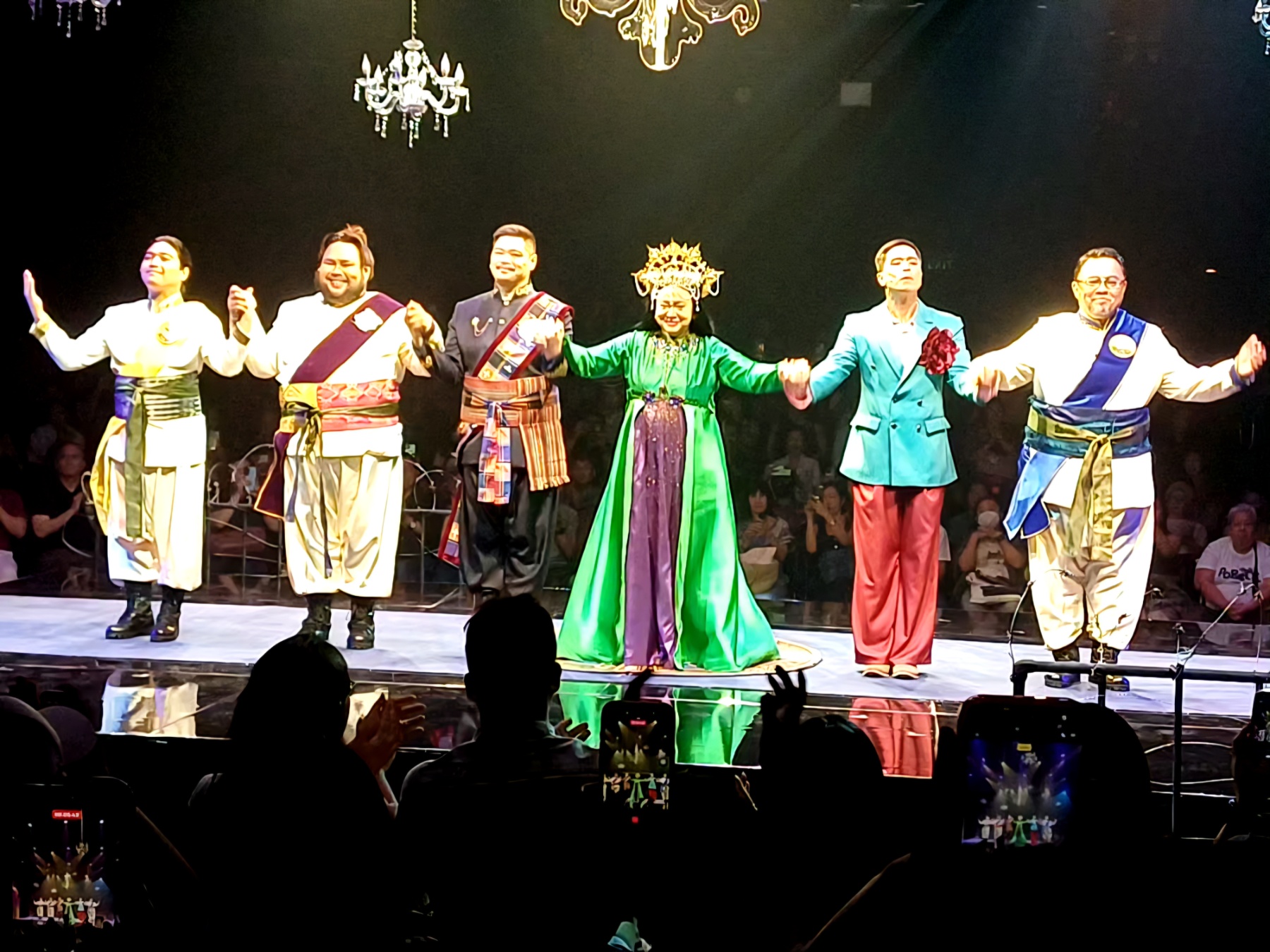
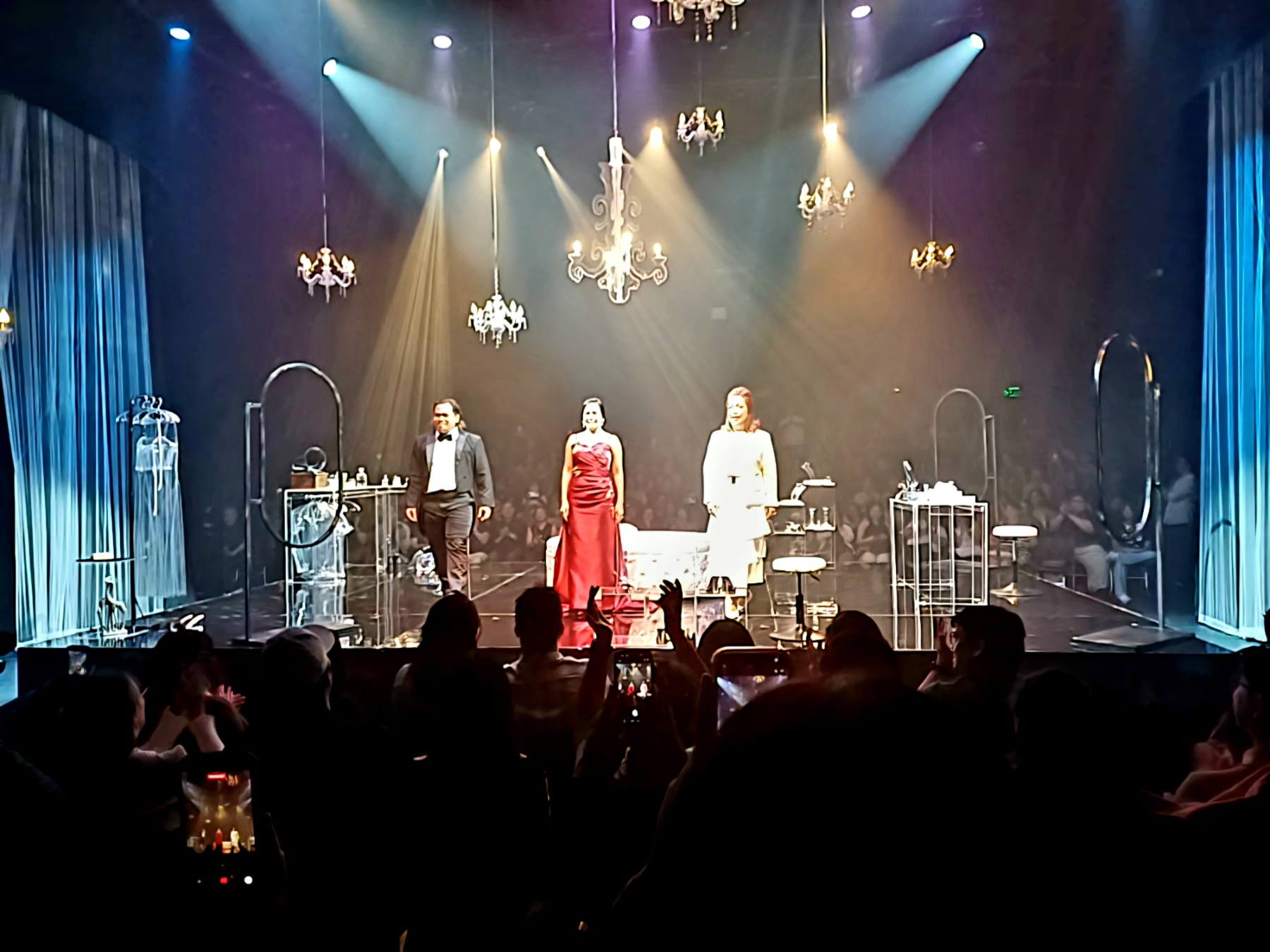
MAKATI CITY โ€” The local stage sees a major academic and artistic collaboration as Encore Theater mounts “Miranda & Yolanda,” a twin-bill revival of Floy Quintosโ€™s “Evening at the Opera” and “Ang Kalungkutan ng mga Reyna.” The production is notable for its heavy concentration of talent from the UP College of Arts and Letters (CAL). Leading the creative team are Assistant Professors Martinez Santos (Director) and Marvin Olaes (Dramaturg), both current faculty members at the UP Department of Speech Communication and Theatre Arts (DSCTA), and Likhaan: University of the Philippines Institute of Creative Writing project research assistant (Stage Manager).

They are joined by former DSCTA faculty members Davidson Oliveros (Dramaturg), Meliton Roxas Jr. (Technical Director), and former Art Studies faculty member Krina Cayabyab (Music Arranger).

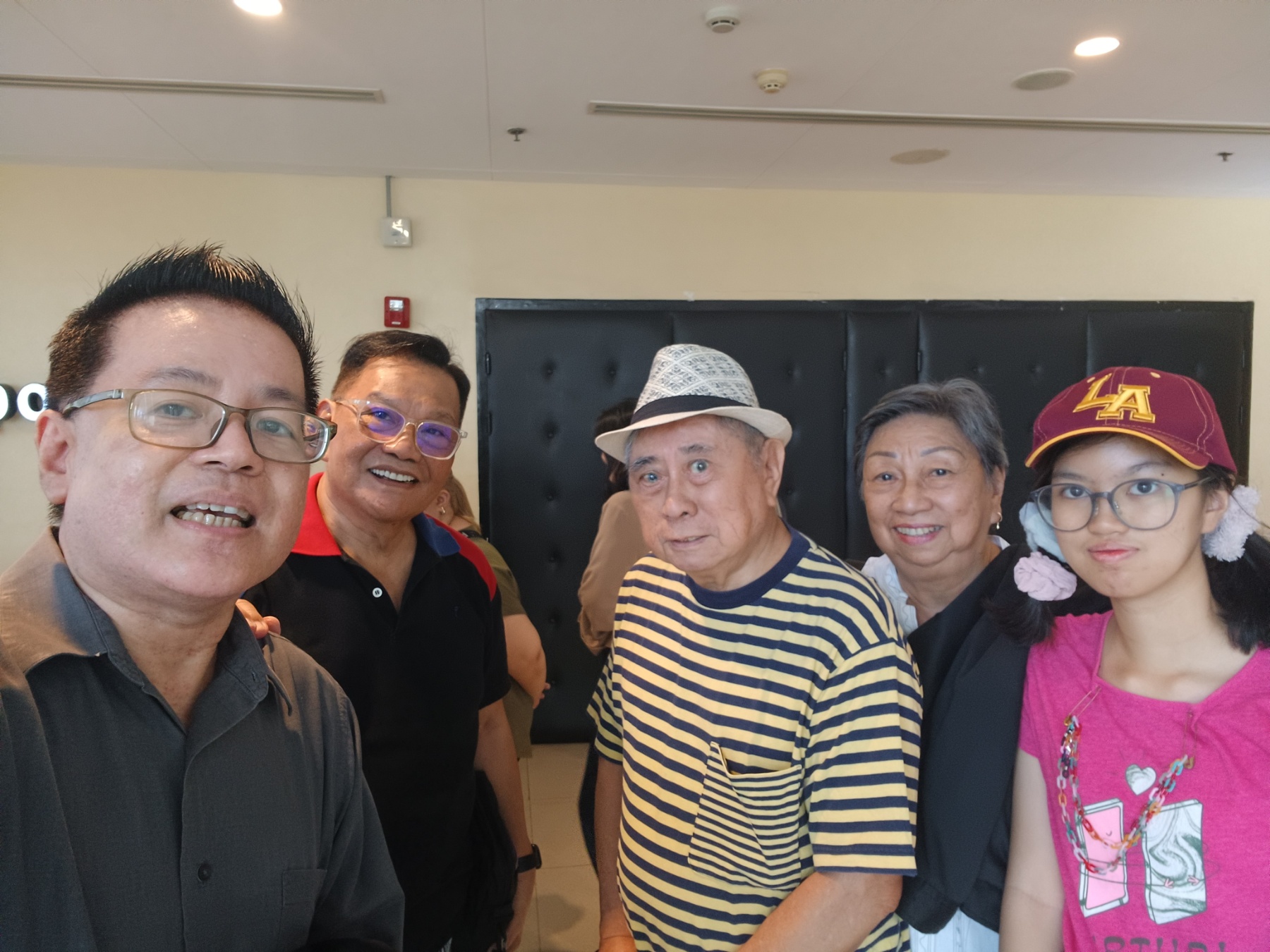
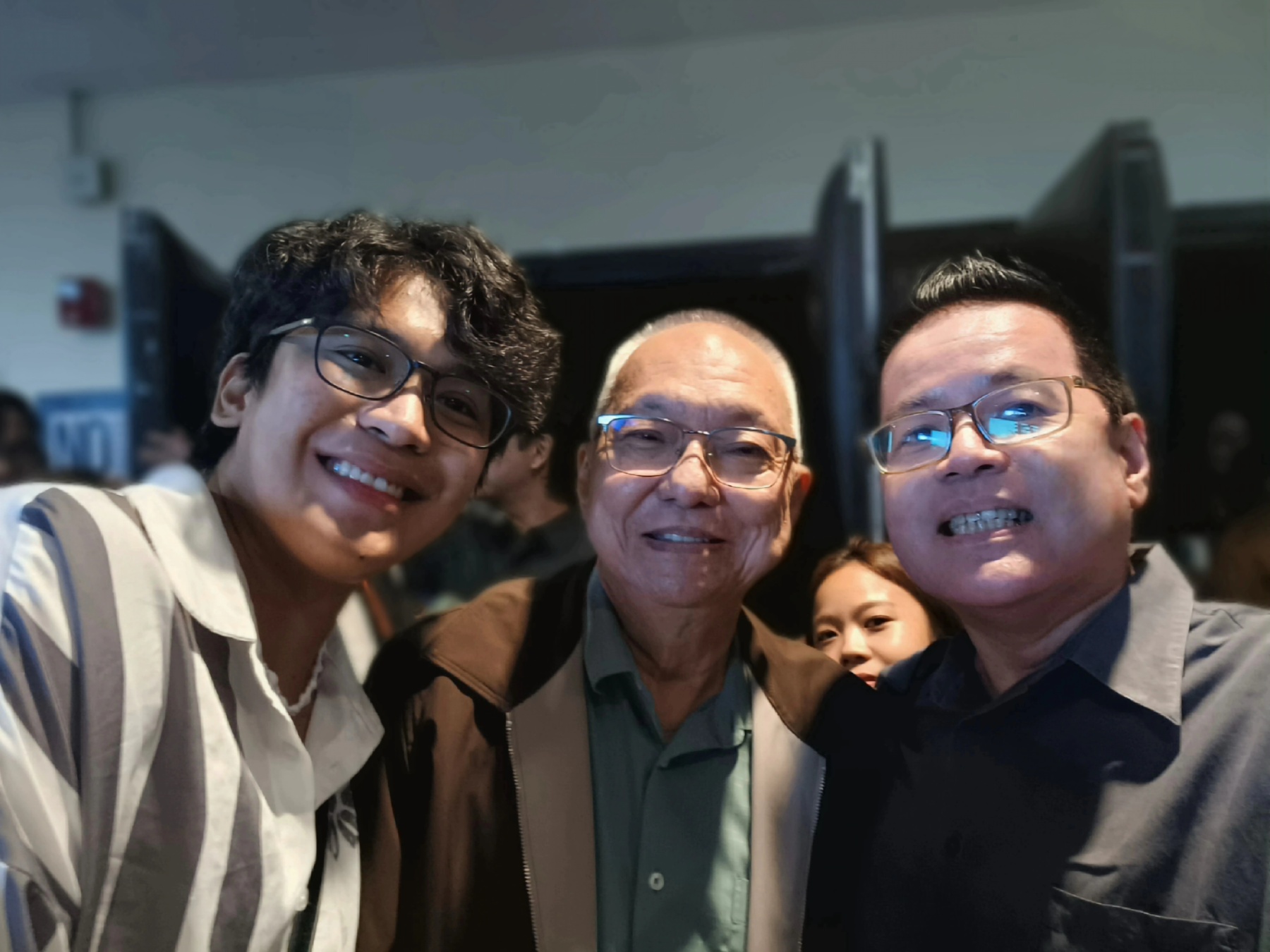
The productionโ€™s significance was underscored during the 2:00 PM matinee on Saturday, May 2, which drew a distinguished audience of Filipino cultural icons. In attendance were National Artist for Literature and UP Professor Emeritus Virgilio Almario (himself a former CAL Dean), National Artist for Broadcast Art and Film, and UPD Department of English and Comparative Literature alumnus Ricky Lee, and acclaimed director and UP Departamento ng Filipino at Panitikan ng Pilipinas alumnus Joel Lamangan. Their presence highlights the production’s standing as a critical touchstone for the UP academic and artistic community.

The production leans on a seasoned team of artists, many with deep ties to the UP community, including CAL, DSCTA Dulaang Unibersidad ng Pilipinas, and UP Dulaang Laboratoryo alumni:

Performers: Shamaine Centenera-Buencamino, Frances Makil-Ignacio, and Jules de la Paz.

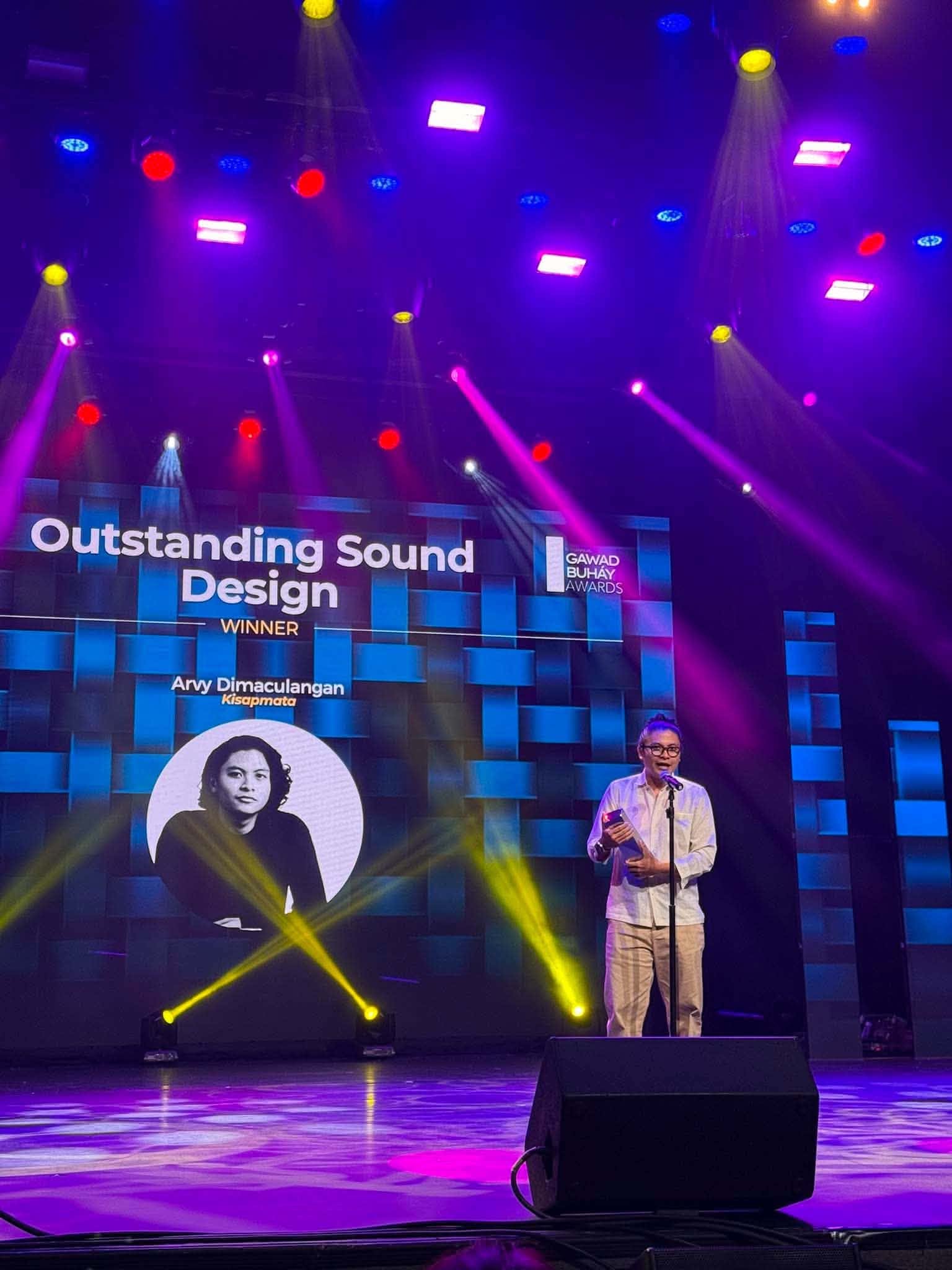
Design & Management: Mitoy Sta. Ana (Production Design), John Batalla (Lighting Design), Meliton Roxas Jr. (Technical Direction), Arvy Dimaculangan (Sound Design), Steven Tansiongco (Graphics Design), Lexi Bartolome and Ronah Adiel de la Peรฑa (Production Management), Satya Edilo (Assistant Technical Director), Jessette Namin and Aaron Misayah (Assistant Stage Manager), Juliene Menfoza (Photographer), and Stella Caรฑete Mendoza (Producer).

Staged at the Power Mac Center Spotlight Blackbox Theater, the production pairs two studies of the ruling class. “Opera” explores the domestic entrapment of a provincial Governorโ€™s wife (Ana Abad Santos), while “Reyna” follows a fictional President (Centenera-Buencamino) losing her grip on power.

The revival is being recognized for its technical precision despite the 2026 economic climate. Amidst rising production costs, the staging serves as a call to support independent theater initiatives that tackle difficult, non-sanitized subject matter.
“Miranda & Yolanda” runs at the Power Mac Center Spotlight in Ayala Malls, Circuit Makati through Sunday, May 3, 2026.

๐‚๐€๐‹ ๐…๐š๐œ๐ฎ๐ฅ๐ญ๐ฒ ๐š๐ง๐ ๐€๐ฅ๐ฎ๐ฆ๐ง๐ข ๐„๐ฅ๐ž๐œ๐ญ๐ž๐ ๐ญ๐จ ๐๐ž๐ฐ ๐”๐Œ๐๐ˆ๐‹ ๐๐จ๐š๐ซ๐

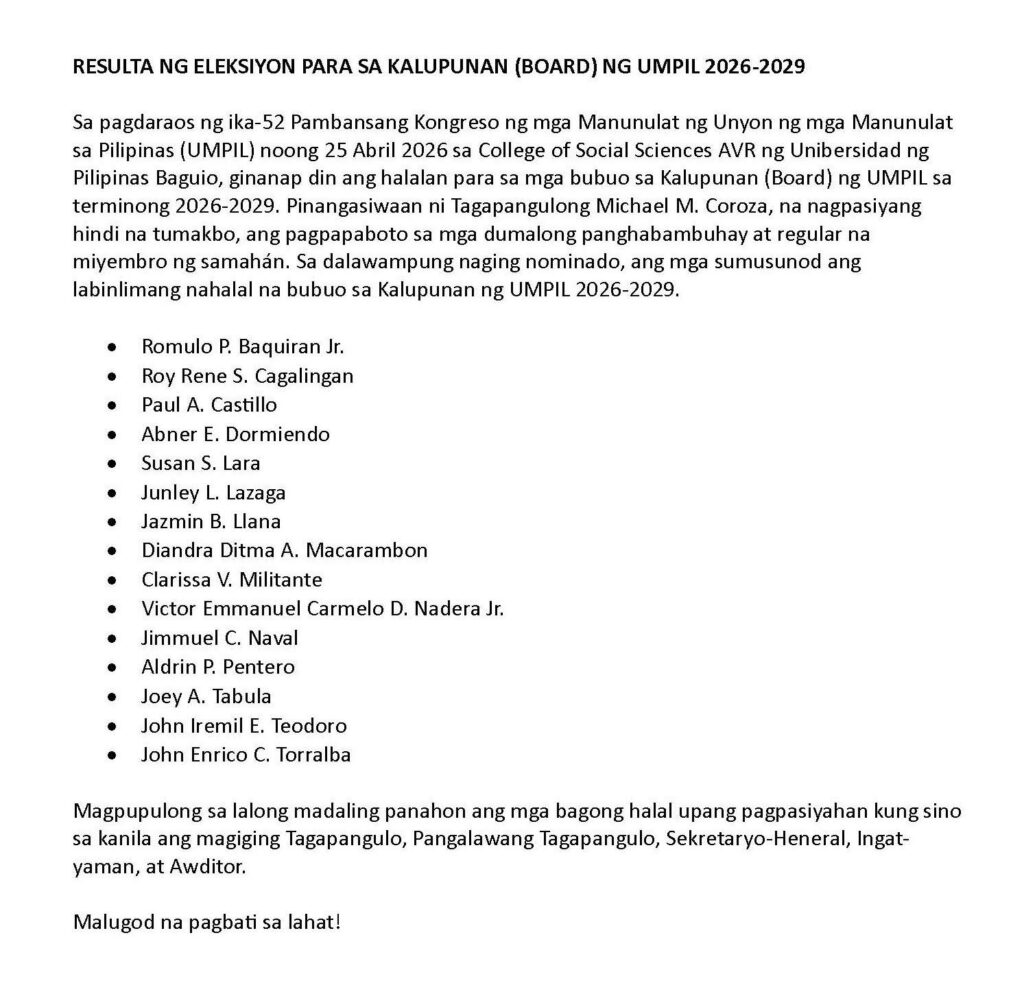
BAGUIO CITY โ€” Faculty members and alumni from the UP College of Arts and Letters (CAL) secured key positions in the newly elected Board of Directors of the Unyon ng mga Manunulat sa Pilipinas (UMPIL), the Writersโ€™ Union of the Philippines.

The election took place on April 25, 2026, during the 52nd National Writersโ€™ Congress held at the University of the Philippines Baguio. The proceedings were overseen by outgoing Chairman and UP Departamento ng Filipino at Panitikan ng Pilipinas Ph.D. alumnus Michael M. Coroza, who presided over the voting of life and regular members.

The incoming 2026โ€“2029 Board features a strong representation from CALโ€™s academic departments. Leading the group is CAL Dean Jimmuel Naval, alongside fellow DFPP faculty members Romulo Baquiran Jr. and Victor Emmanuel Carmelo Nadera Jr.

Prominent CAL alumni were also elected to the board, including Susan Severino Lara from the Department of English and Comparative Literature (DECL) and Jazmin Llana from the Department of Speech Communication and Theatre Arts (DSCTA).

Fifteen writers were selected to lead the organization for the upcoming three-year term. The full list of the 2026-2029 UMPIL Board includes:

Romulo P. Baquiran Jr.
Roy Rene S. Cagalingan
Paul A. Castillo
Abner E. Dormiendo
Susan S. Lara
Junley L. Lazaga
Jazmin B. Llana
Diandra Ditma A. Macarambon
Clarissa V. Militante
Victor Emmanuel Carmelo D. Nadera Jr.
Jimmuel C. Naval
Aldrin P. Pentero
Joey A. Tabula
John Iremil E. Teodoro
John Enrico C. Torralba
The newly elected board members are scheduled to convene shortly to elect the executive officers, including the Chairman, Vice-Chairman, Secretary-General, Treasurer, and Auditor.

UMPIL remains the largest organization of Filipino writers in the country, dedicated to the promotion of Philippine literature and the protection of writers’ rights.

๐”๐Œ๐๐ˆ๐‹ ๐ก๐จ๐ง๐จ๐ซ๐ฌ ๐‚๐€๐‹ ๐…๐š๐œ๐ฎ๐ฅ๐ญ๐ฒ ๐š๐ง๐ ๐€๐ฅ๐ฎ๐ฆ๐ง๐ข
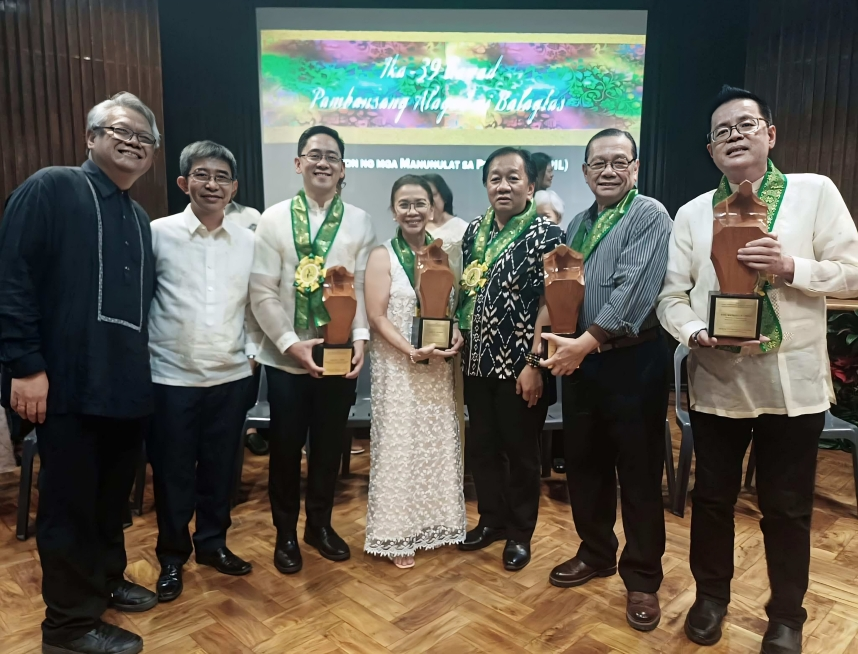
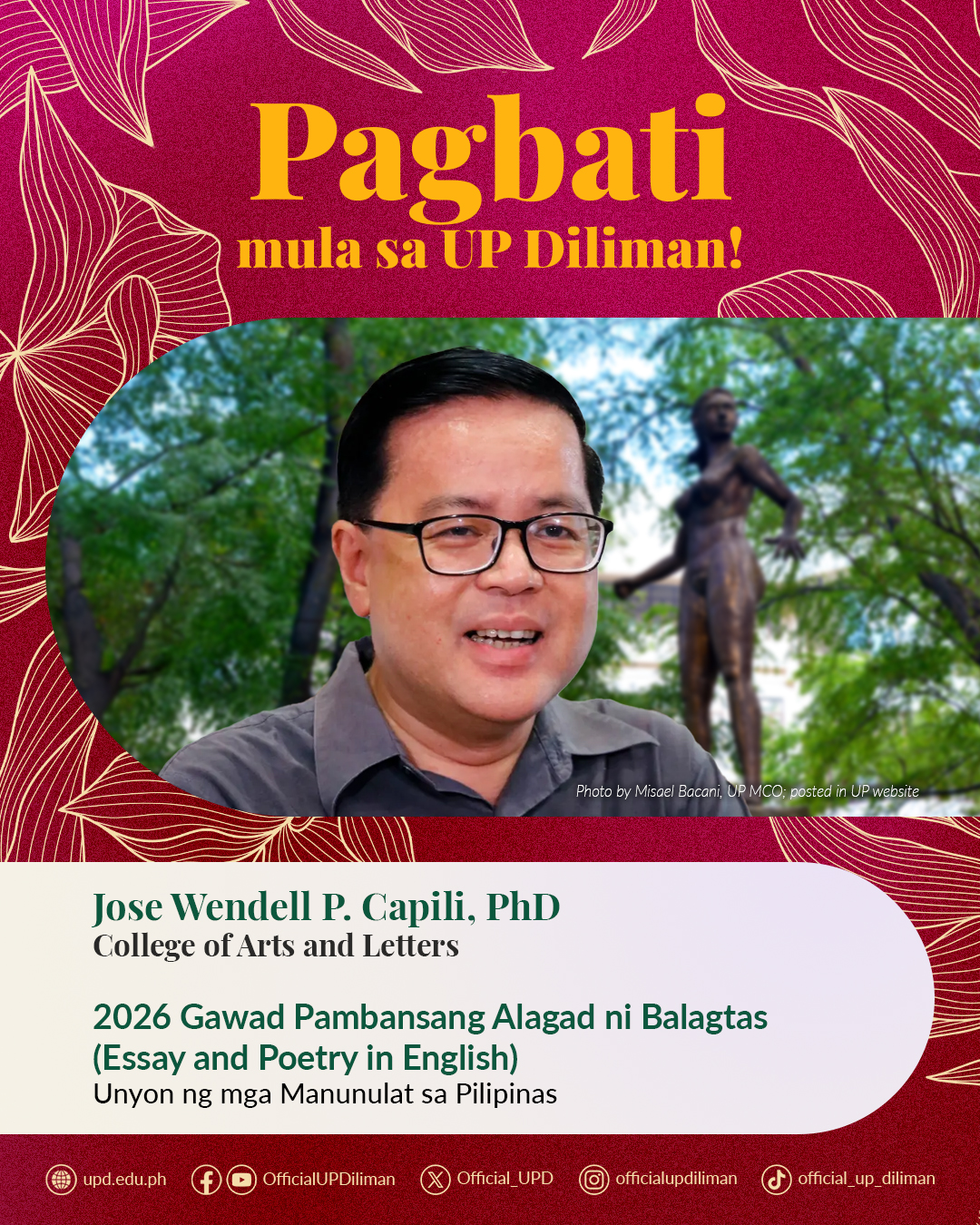
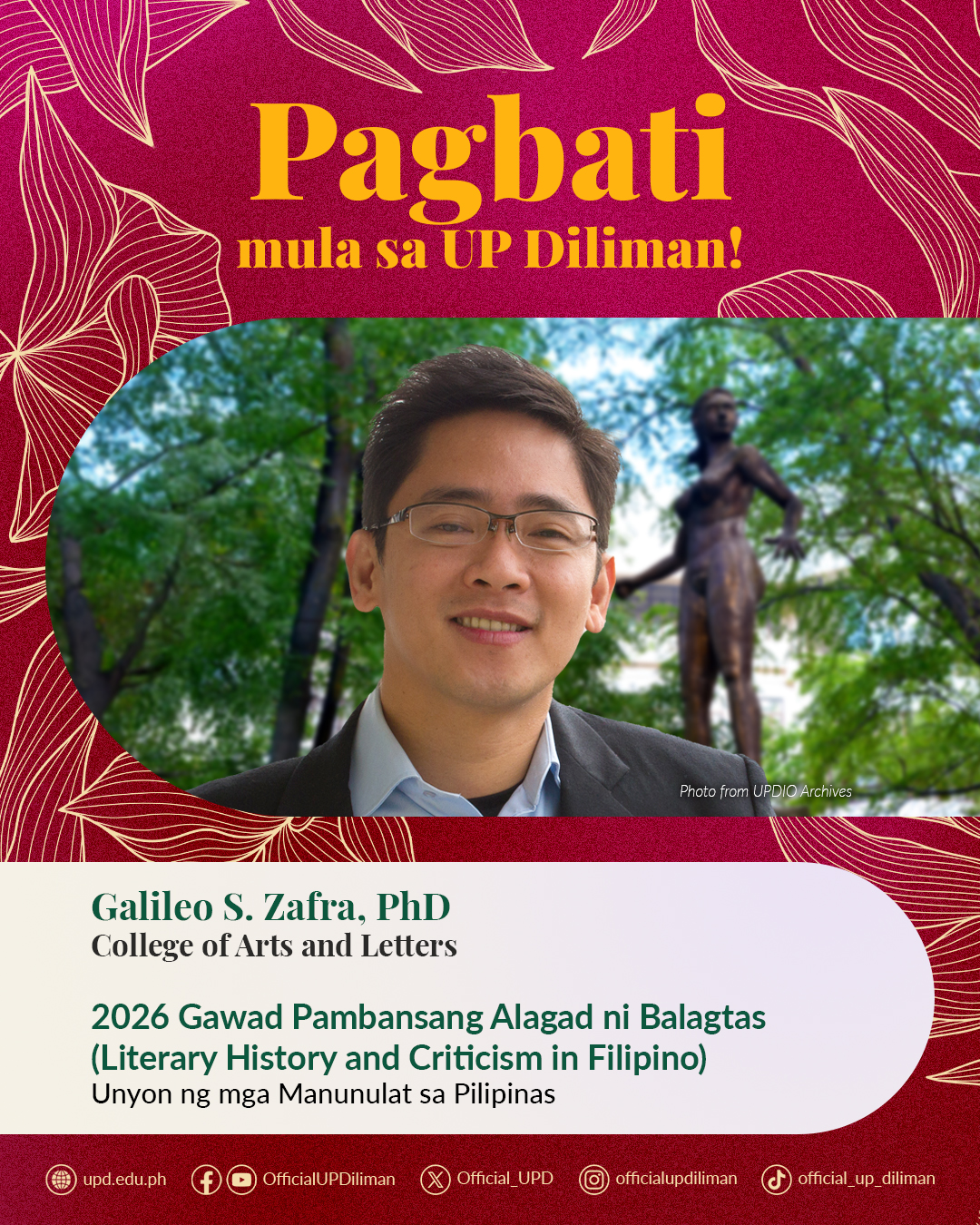
๐‘ƒ๐‘Ž๐‘ ๐‘ก ๐‘Ž๐‘›๐‘‘ ๐‘ƒ๐‘Ÿ๐‘’๐‘ ๐‘’๐‘›๐‘ก ๐บ๐‘Ž๐‘ค๐‘Ž๐‘‘ ๐‘ƒ๐‘Ž๐‘š๐‘๐‘Ž๐‘›๐‘ ๐‘Ž๐‘›๐‘” ๐ด๐‘™๐‘Ž๐‘”๐‘Ž๐‘‘ ๐‘›๐‘– ๐ต๐‘Ž๐‘™๐‘Ž๐‘”๐‘ก๐‘Ž๐‘  ๐‘Ÿ๐‘’๐‘๐‘–๐‘๐‘–๐‘’๐‘›๐‘ก๐‘  ๐‘“๐‘Ÿ๐‘œ๐‘š ๐‘กโ„Ž๐‘’ ๐‘ˆ๐‘ƒ ๐ถ๐‘œ๐‘™๐‘™๐‘’๐‘”๐‘’ ๐‘œ๐‘“ ๐ด๐‘Ÿ๐‘ก๐‘  ๐‘Ž๐‘›๐‘‘ ๐ฟ๐‘’๐‘ก๐‘ก๐‘’๐‘Ÿ๐‘ : (๐ฟ) ๐‘‰๐‘–๐‘๐‘ก๐‘œ๐‘Ÿ ๐ถ๐‘Ž๐‘Ÿ๐‘š๐‘’๐‘™๐‘œ ๐ธ๐‘š๐‘š๐‘Ž๐‘›๐‘ข๐‘’๐‘™ ๐ท. ๐‘๐‘Ž๐‘‘๐‘’๐‘Ÿ๐‘Ž (2015), ๐‘…๐‘œ๐‘š๐‘ข๐‘™๐‘œ ๐‘ƒ๐‘Ž๐‘ ๐‘๐‘ข๐‘Ž๐‘™ ๐ต๐‘Ž๐‘ž๐‘ข๐‘–๐‘Ÿ๐‘Ž๐‘› (2017), ๐บ๐‘Ž๐‘™๐‘–๐‘™๐‘’๐‘œ ๐‘†. ๐‘๐‘Ž๐‘“๐‘Ÿ๐‘Ž (2026), ๐บ๐‘™๐‘’๐‘๐‘ฆ ๐ถ. ๐ด๐‘ก๐‘–๐‘’๐‘›๐‘ง๐‘Ž (2026), ๐ฝ๐‘–๐‘š๐‘š๐‘ข๐‘’๐‘™ ๐ถ. ๐‘๐‘Ž๐‘ฃ๐‘Ž๐‘™ (2024), ๐‘…๐‘’๐‘ข๐‘’๐‘™ ๐‘€๐‘œ๐‘™๐‘–๐‘›๐‘Ž ๐ด๐‘”๐‘ข๐‘–๐‘™๐‘Ž (2004) ๐‘Ž๐‘›๐‘‘ ๐ฝ๐‘œ๐‘ ๐‘’ ๐‘Š๐‘’๐‘›๐‘‘๐‘’๐‘™๐‘™ ๐‘ƒ. ๐ถ๐‘Ž๐‘๐‘–๐‘™๐‘– (2026).

UP College of Arts and Letters faculty and alumni were honored at the 52nd National Writersโ€™ Congress on Saturday, April 25, 2026. The event, organized by the Unyon ng mga Manunulat sa Pilipinas (UMPIL), concluded at the University of the Philippines Baguio College of Social Sciences with an awards ceremony that serves as the annual benchmark for Philippine creative achievement.

The congress, held during National Literature Month, centered on the theme โ€œHarayang Pampanitikan sa Katwiran at Paninindigan ng Bayan.” National Artist for Film and UP Department of Speech Communication and Theatre Arts alumnus Kidlat Tahimik delivered the keynote address, focusing on the lifelong practice of promoting and empowering the national imagination.

The Gawad Pambansang Alagad ni Balagtas, UMPILโ€™s lifetime achievement award, was conferred upon UP Departamento ng Filipino at Panitikan ng Pilipinas Professors Glecy C. Atienza (Play in Filipino), Galileo S. Zafra (Literary History and Criticism in Filipino), and UPD Department of English and Comparative Literature Professor Jose Wendell P. Capili (Essay and Poetry in English). Their recognition represents a rare institutional sweep across multiple disciplines and genres.

The collegeโ€™s institutional impact was further underscored through the Gawad Pedro Bucaneg, awarded to DFPP’s Palihang Rogelio Sicat (PRS), co-founded by a small group of faculty members that included CAL Dean Jimmuel Naval, and Retired Professor of Filipino Reuel Molina Aguila. This honor acknowledges the groupโ€™s sustained role in developing the regional and national literary infrastructure.

The awards also highlighted the enduring influence of the Likhaan: University of the Philippines Institute of Creative Writing’s UP National Writers Workshop. Two additional Balagtas recipients trace their professional roots to the universityโ€™s mentorship programs: Raymundo T. Pandan Jr. (Fiction in English), Retired Professor and former Law Dean at the University of St. La Salle Bacolod and a 1984 workshop fellow, and veteran journalist Franklin Y. Cimatu (Poetry in Filipino and English), a 1988 workshop fellow. Other 2026 Balagtas winners included Richel G. Dorotan for Binisaya fiction and Daniel L. Nesperos for Ilocano poetry.

Between the ceremonies, the congress functioned as a forum for the ethics of contemporary writing. The “UMPILAN” sessions featured debates on the intersection of aesthetics and social commitment, with contributions from writers including Ariel Tabag, Luchie Maranan, and Padmapani Perez. The 2026 trophies were designed and donated by the renowned visual artist Manuel D. Baldemor. The event was held with the support of the National Commission for Culture and the Arts (NCCA), the Philippine Soong Ching Ling Foundation, the Federation of Filipino-Chinese Chambers of Commerce and Industry, Inc. (FFCCCII), and Ambassador Francis Chua

โ€œThree professors and a workshop from the UP Diliman College of Arts and Letters are this yearโ€™s recipients of the Gawad Pambansang Alagad ni Balagtas and the Gawad Pedro Bucaneg, respectively. Both distinctions are bestowed by the Unyon ng mga Manunulat sa Pilipinas (UMPIL), the countryโ€™s largest organization of creative writers.
โ€œThe Gawad Pambansang Alagad ni Balagtas honorees are Glecy C. Atienza, PhD and Galileo S. Zafra, PhD from the Departamento ng Filipino at Panitikan ng Pilipinas (DFPP), and Jose Wendell P. Capili, PhD of the Department of English and Comparative Literature. Meanwhile, DFPPโ€™s Palihang Rogelio Sicat is this yearโ€™s Gawad Pedro Bucaneg recipient.โ€
656029853 1360951126077452 4524945081840849925 n

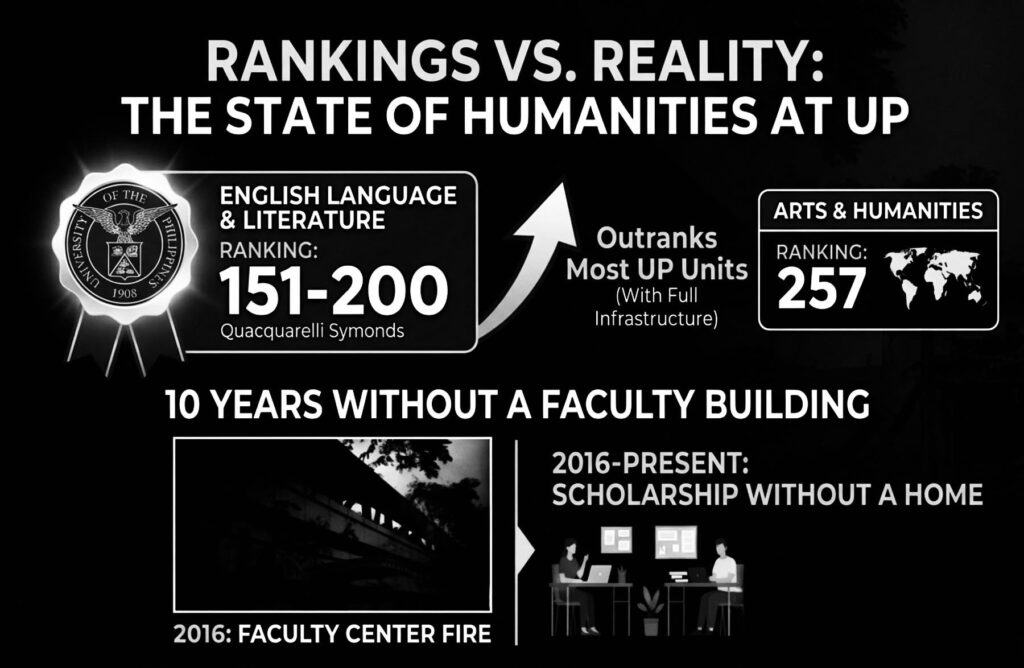
(Based on the QS World University Rankings by Subject, released 25 March 2026)

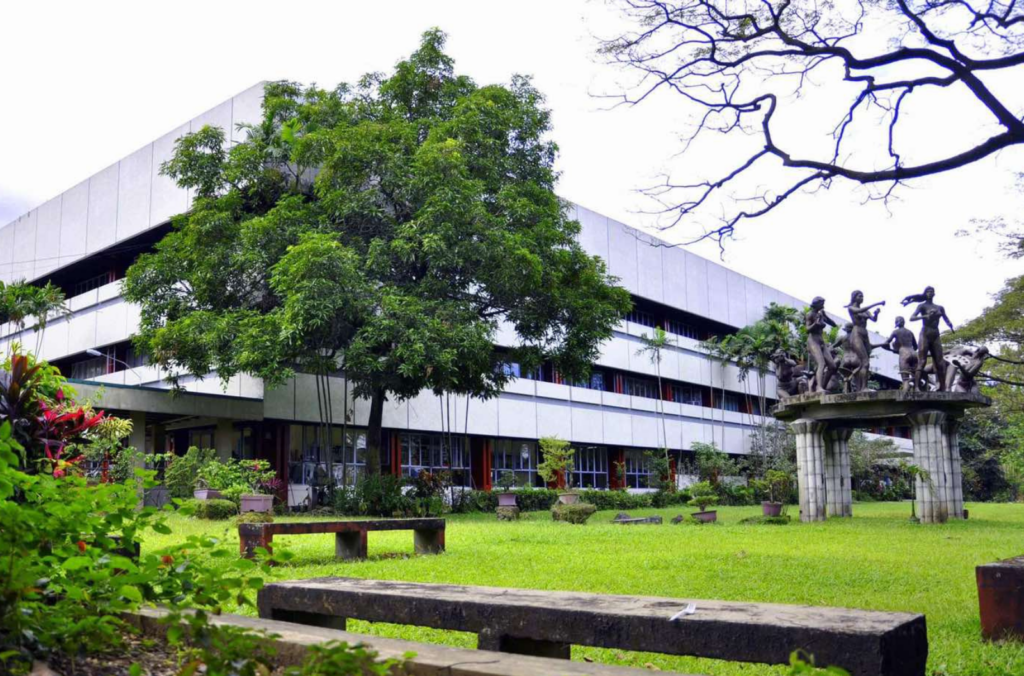
Ten years ago, a fire destroyed the UP Faculty Center. Since then, the UP College of Arts and Letters has functioned without permanent faculty, staff, and student offices, or dedicated facilities.

Despite this sustained displacement, the latest global rankings place the UPD Department of English and Comparative Literature in the 151โ€“200 bracketโ€”the highest in the Philippines ( https://www.topuniversities.com/…/english-language… ). This performance outranks most other units in the UP systemโ€”the majority of which occupy modern, intact infrastructure.ย 

Across the broader Arts and Humanities, the university also maintains its No. 1 domestic ranking, placing 257th worldwide (https://www.topuniversities.com/univer…/arts-humanities… ).

These results were achieved from temporary desks and dismal shared spaces. They confirm that while a building provides necessary support, the intellectual work of the humanities has managed to lead the university even in its absence.

#kalbaryo

Scroll to Top